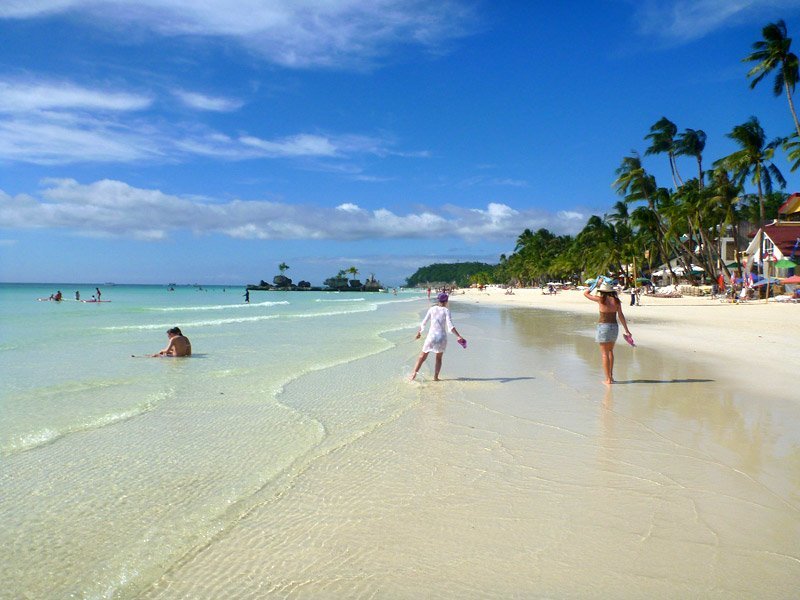
After what happened in Manila, my friends wanted to show me a different side of the Philippines. They therefore took me to Boracay, which is a tiny island (7 km long) featuring one of the most idyllic-looking beaches in the world.
The island is one of the Philippines’ top attraction. Unfortunately, it is also victim of its success: 2 million visitors a year (more than 5,000 a day on average) took their toll on the environment and on some of the local communities. Urban development went mad, including many buildings without planning permission.
Development was wild and the lack of planning for water and waste management led to widespread toxic algal blooms around the island. In 2018, the government ordered the complete island shut down for 6 months. The army was called in and clean-up operations were carried on, including the demolition of the buildings that did not comply with the regulations. Such a radical decision should be hailed as a victory for the environment, but the decision is shrouded in controversy, as the government also granted planning permission for a $500 million beachfront casino by a Macau-based casino operator at the same time. This excellent article in The New York Times provides an overview of what happened, as well as nice pictures highlighting the appeal of the island:
Note that I didn’t have a replacement camera when I went there, which was a blessing, as I tend to be obsessed with trying to document everything I find exciting (and I do find a lot of things exciting). Going to such a place without a camera was actually incredibly enjoyable. This article will be illustrated with pictures from the web…
There are regular flights from Manila to Caticlan, which take less than one hour (flying is a convenient way to go around a country made of 7,000 islands). We flew Air Asia, a very fast expanding low cost airline that operates fairly large planes on this route: ours was a shiny Airbus (I think an A320) with 3+3 seats on each rows. This is relevant, as Caticlan airport has a very short runway, with the sea at both ends: this is the strongest breaking I have ever experienced on landing, and an internet search shows a few planes have overshot in the past (but not by much fortunately).
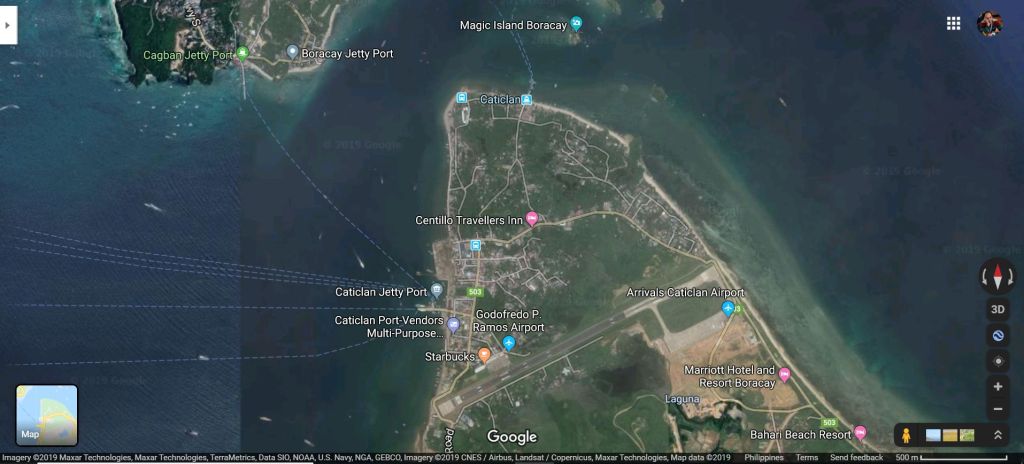

From the airport, tricycles will take you to the port, and then it is a 10-minute boat trip to Boracay. Local taxis / minibuses (including electric ones which were introduced after the clean-up) will then take you to your hotel. At the port, officials check hotel bookings to prevent people from sleeping on the beach (which apparently contributed to the hygiene problem).
I fully understand now what the hype is about. White Beach is incredibly beautiful, with its stunning fine sand, turquoise sea, pretty boats, coconut trees and cafes, restaurants and hotels lining the beach. On the island, there is a huge range of accommodation available, with prices varying from £10 to £500 a night. The range £30-40 is well supplied: this amount gets you a very nice room in a very nice, well-located hotel. As a joke, I was showing my friends what they would get for that price in Edinburgh, Loughborough or Manchester. We stayed there for three days.
The Boracay Compass has made a short article about White Beach, which presents it nicely. This is why people go there:
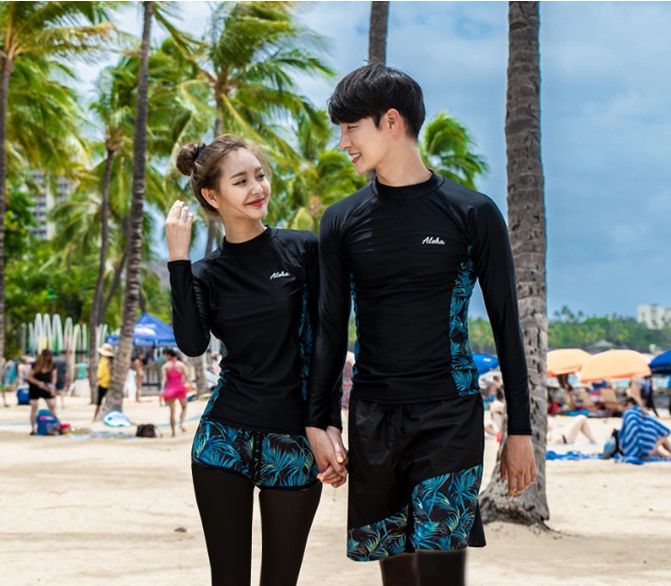
It is very busy but somehow doesn’t feel too overwhelming, in particular in the middle of the day when very few people dare facing the incredibly strong sun. Interestingly, people lying in the sun in the middle of the day are mostly Westerners, and very few westerners visit the island – most tourists are Filipino or Asian. Westerners want to get as tanned as possible, whereas it seems Filipino and Asians want their skin to be as fair as possible (they may also try to avoid skin cancer); so the latter will wear long sleeves and hats and avoid the sun.
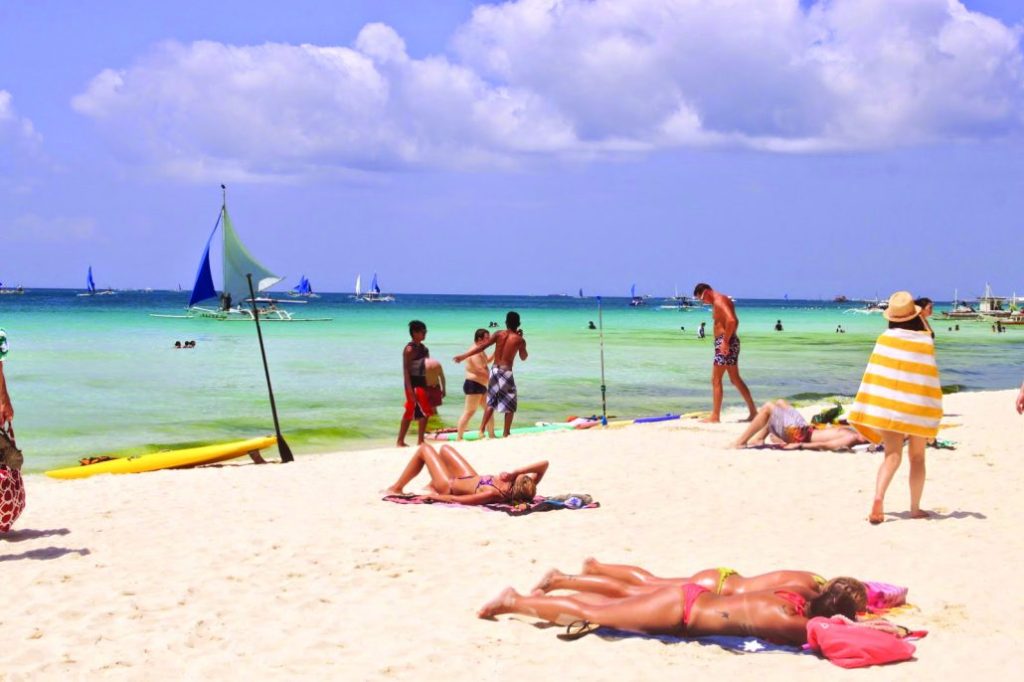
But it is at sunset that you realise how many people are actually on the island, as everyone congregates on the beach to take the perfect picture. The picture may look like that:
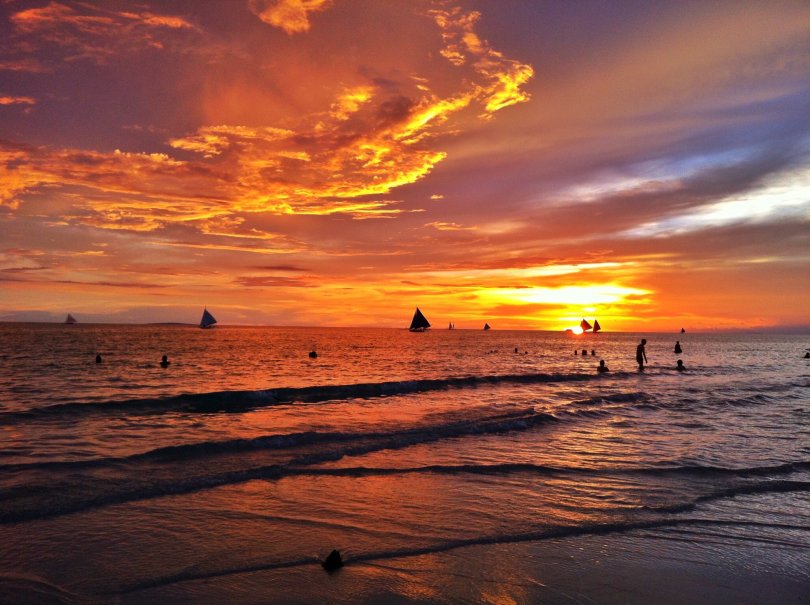
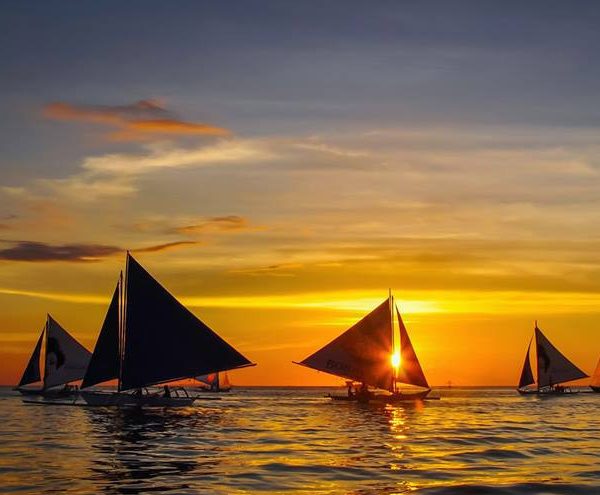
But on the ground it feels more like this:

It was interesting to see the significant number of people whose main purpose seemed to be to take pictures. Some seem to have travelled alone too. I noticed a few young Asian women who dressed nicely, got on the beach, set up their photo equipment with great care, took a few smiley pictures with a beautiful background, then picked up everything and left. That is perfectly fine, but I couldn’t help notice how sad some looked once they took their pictures (which made me sad too). You will be pleased to know that Boracay is on the list of top Philippine destinations for influencers:
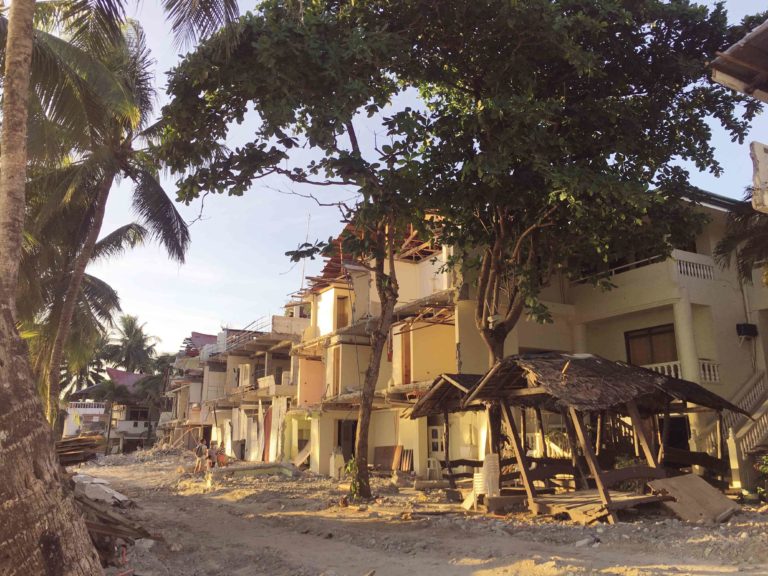
Despite the crowds, White Beach was overall a very pleasant experience. It is very pretty and very clean. I heard people saying it has improved a lot since the clean-up. Accessibility has been improved too, and there is still obvious evidence of the demolition that took place: some hotels have been completely razed and nature is taking over, while buildings that advanced too far on the beach have been “trimmed”!
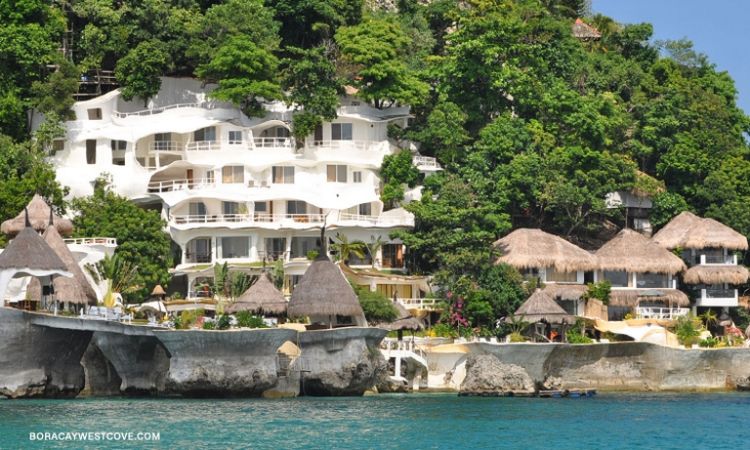
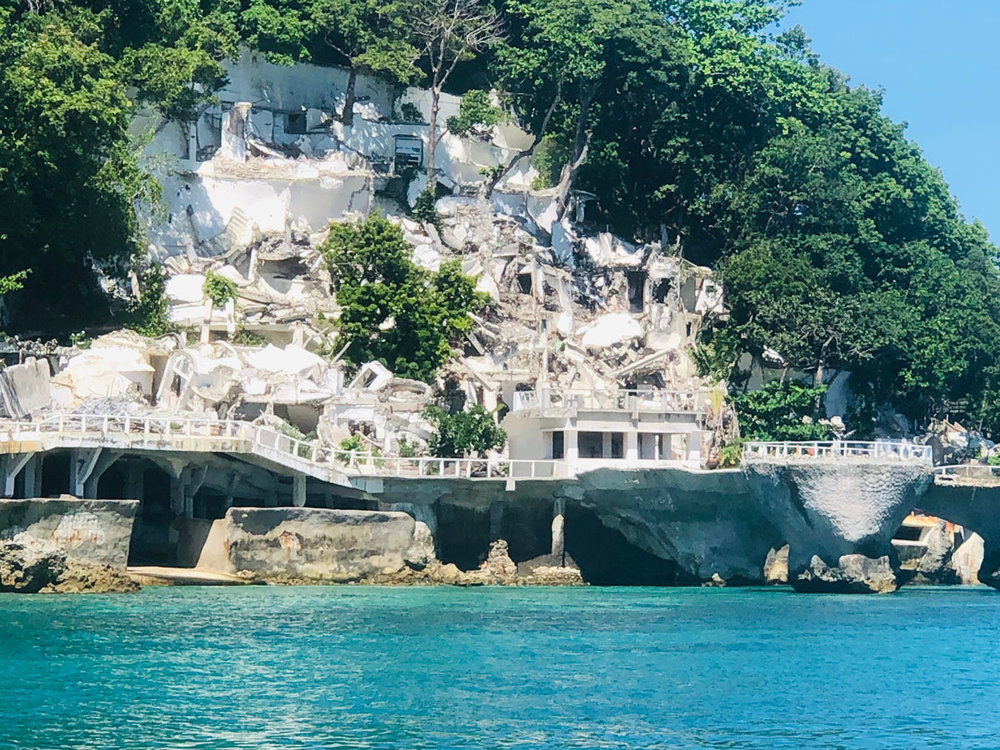
Tourists get solicited quite a lot by touts on the beach who try to sell massage, island hoping, diving and other activities. But most are not too insistent and will acknowledge your refusal if you just say “thank you po” (“po” meaning “sir / madam”).
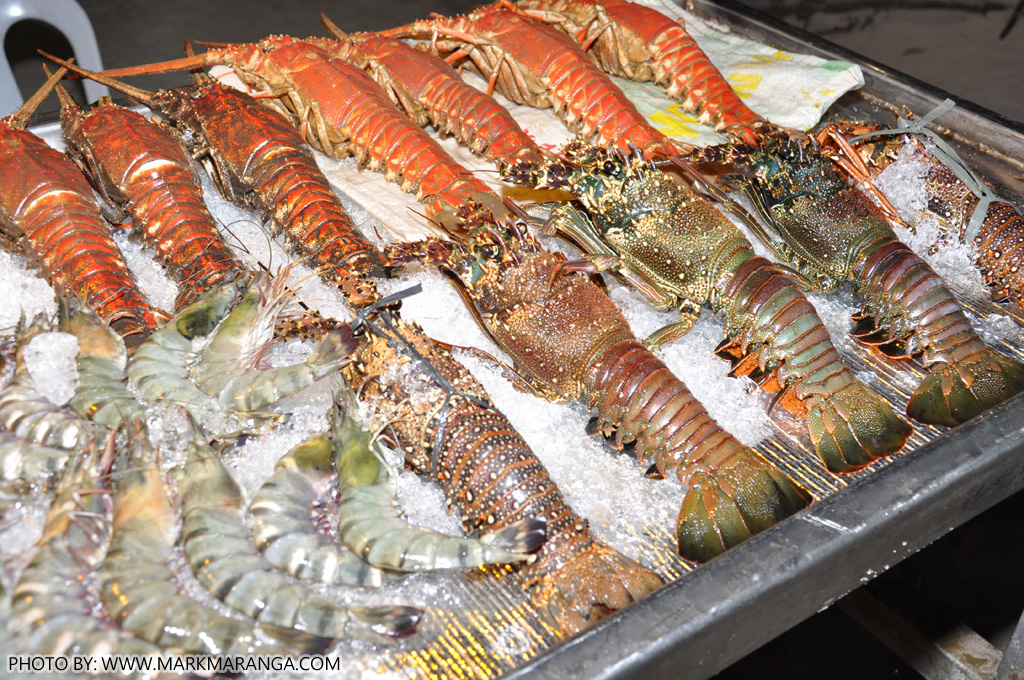
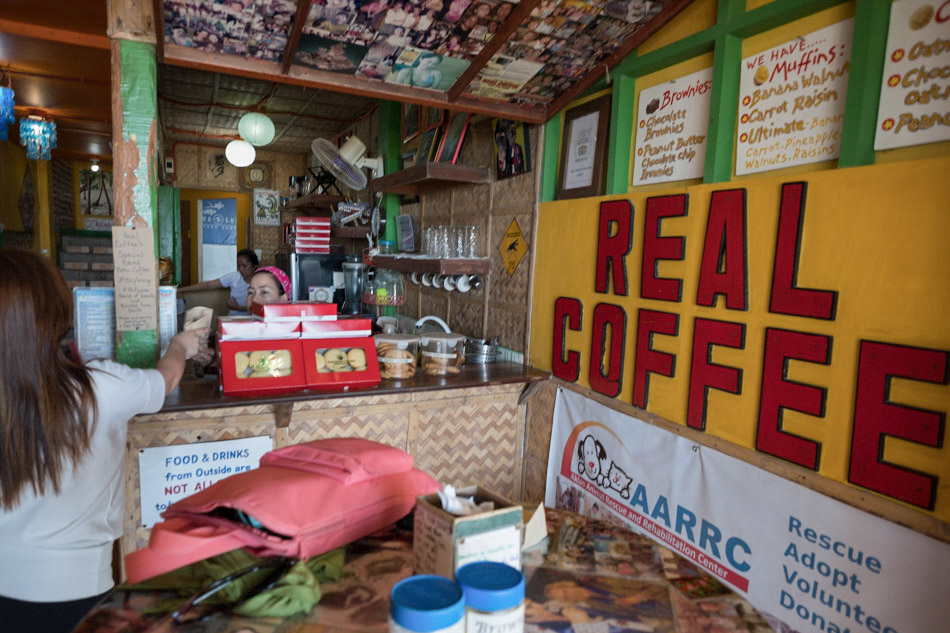
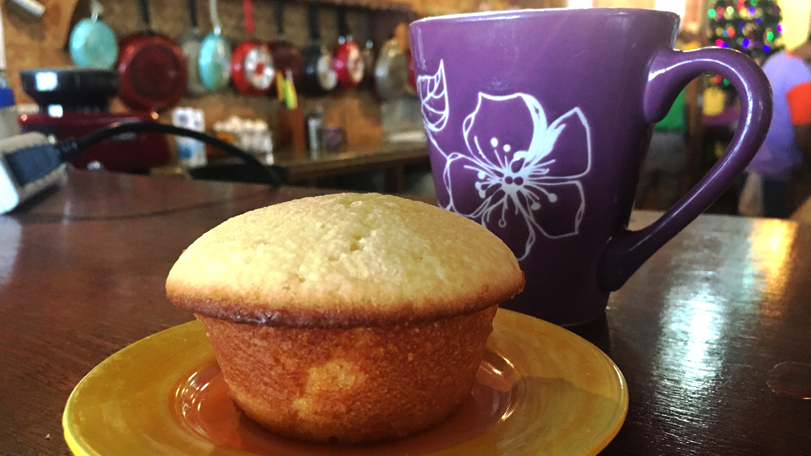
In terms of food choice, there is a lot on offer, though the prices are around twice what you would pay in Manila. However, the view is a bit more spectacular, the air more breathable, and the fresh seafood is amazing! As are the calamansi and mango muffins at the Real Coffee and Tea Café.
In the evening, the beach becomes very lively. The bars and restaurants are bustling with people, there is live music and people chill out on the beach. My friends tell me that following the clean-up, there has been a realignment of the clientele: the different outlets now cater for people seeking relaxing, civilised experiences rather than loud parties and drunken nights on the beach, which is nice (I’m too old for that!)
On one of the days, we booked an island hopping trip: 25 people get on one of the traditional boats and are taken around the island. The program includes sightseeing, snorkelling on the reef and a delicous traditional buffet at the company’s own restaurant in Caticlan, all that for around £11!
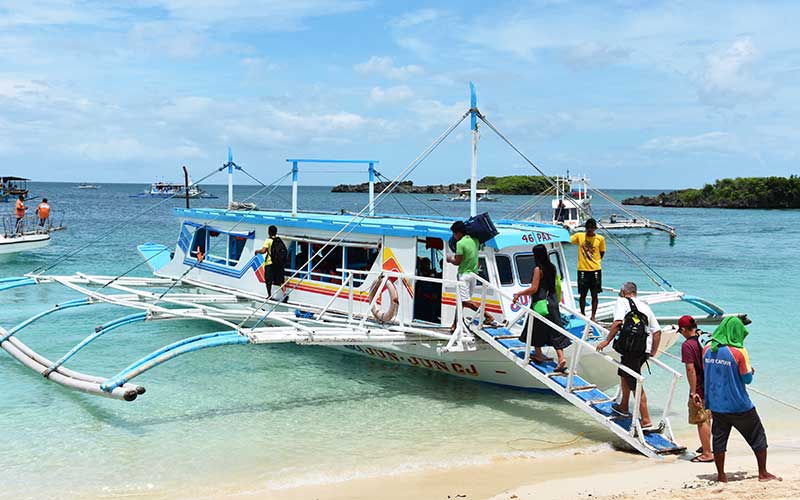
That was a very unique experience, with highlights including:
1. The very rugged coastline in the north, with limestone cliffs, caves and birds: the whole island is a reef that is being uplifted. There are large fruit bats on the island, but they are struggling with the increasing pressure from urban development.
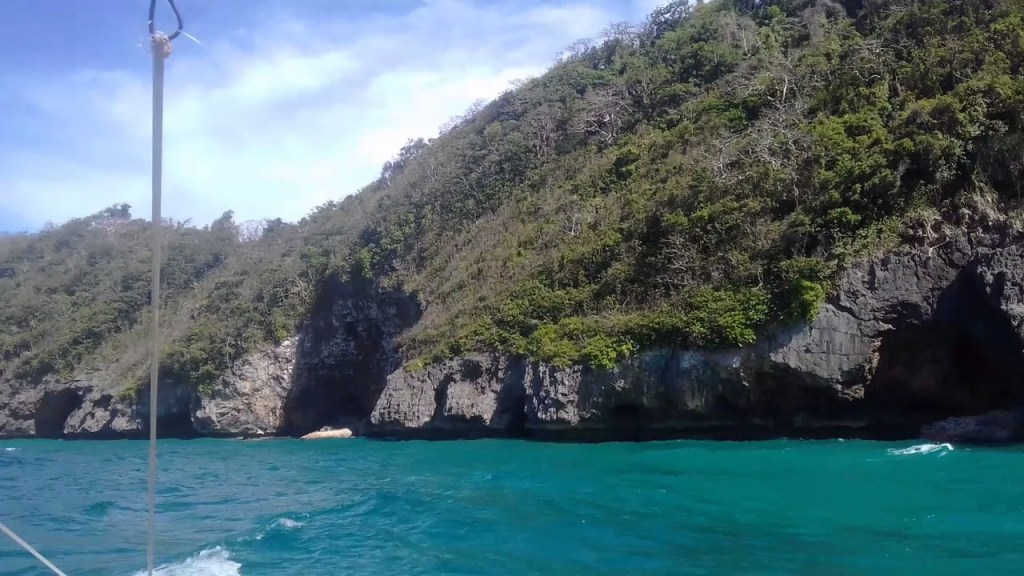
2. The beautiful turquoise sea and golden Puka beach (perfect for ice cream!)

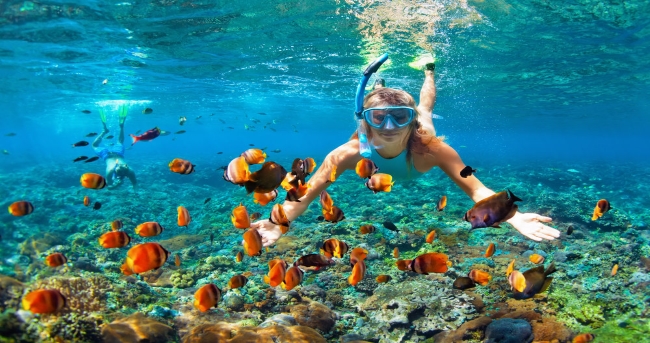
3. Snorkelling and feeling like you are in a tropical fish tank. It really looks like the fishes are attracted by people. It seems some boat people feed them but even without that, there is a huge concentration of colourful fishes, corals and sea slugs. Note that in reality, the water appears more turbid than on the pictures, simply because there is so much going on with the density of boats and swimmers.
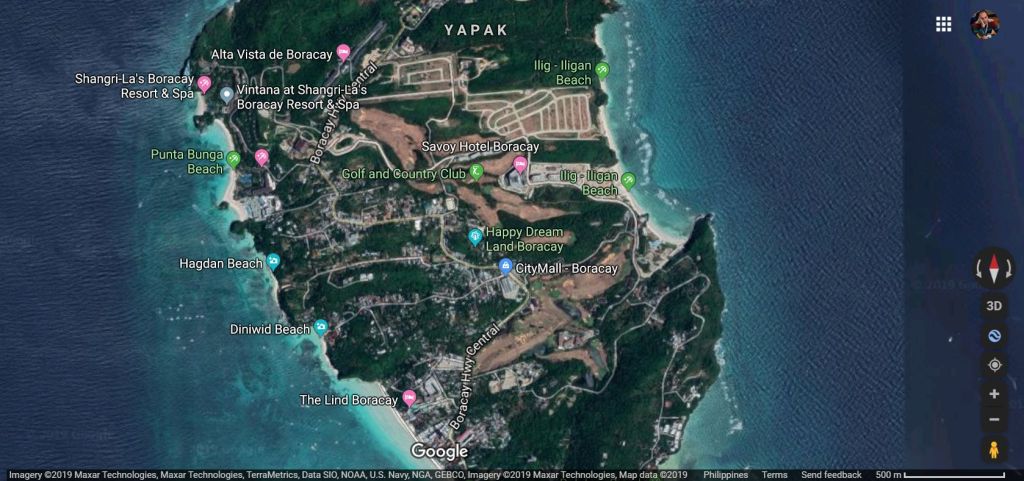
The rest of the time, my friends and I walked to some of the less touristy parts of the island. Some are very beautiful, with traditional villages, wetlands and dense forests persisting in places, but one cannot help noticing the pace of development and the amount of land that is converted into real estate. I am not talking here about local development. I am talking about GIGANTIC hotels, resorts and golf courses to cater for the select few who can afford it. The Google image below will make you realise the scale of the development, and makes me understand better the cynicism of those who saw the island shut down as a promotional stunt rather than something that truly addresses the environmental problems facing the island.
As I was flying back, I was reflecting on the experience. It was wonderful, and I would be hypocritical if I said I didn’t enjoy it. But I flew there and occupied one of the hotel rooms, so I contributed to the problem. And I feel the pressure on such environments is going to become more and more intense, as wealth increase in Asia as fast as cities become densely populated and unnatural: people will seek such experiences more and more, and more and more people will be able to afford them. I don’t think anything will stop the growth of this sort of tourism, so what is the solution? Is there a way of managing this growth better and making it more sustainable? Food for thought…
 Travels Through Geomorphology
Thanks for this informative & detailed blog post. Really helpful for beginners to keep updating on time.
LikeLiked by 1 person