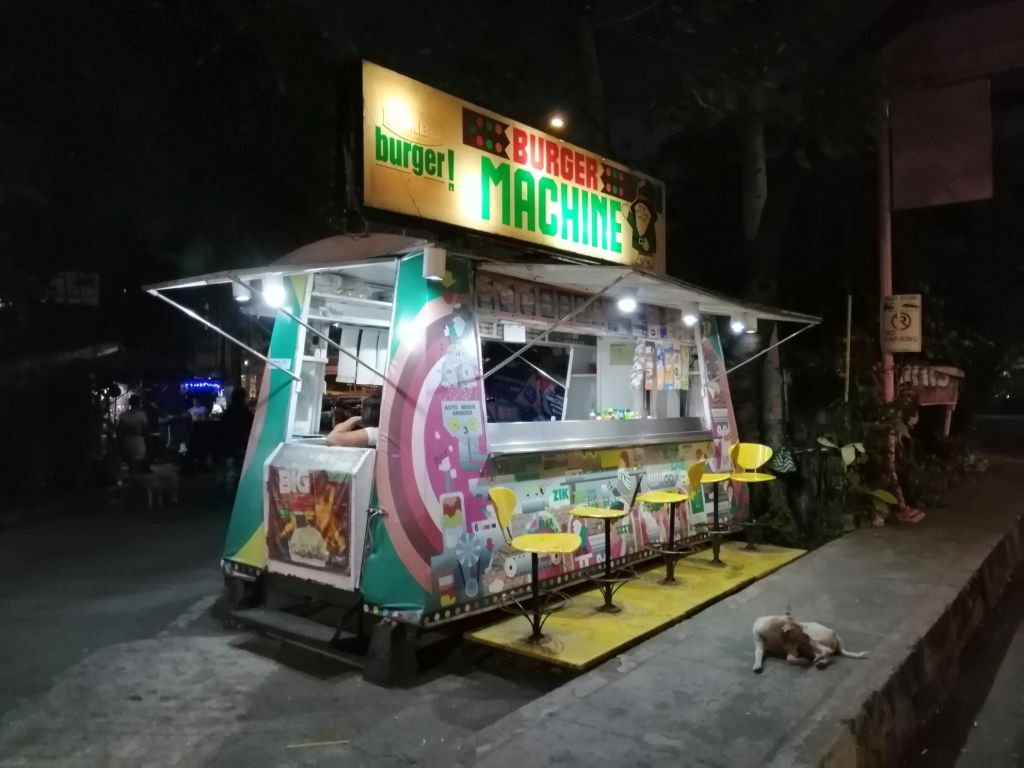
One of the highlights of visiting the Philippines is the food. Filipino cuisine is mostly unknown in Europe: when is the last time you saw a Filipino restaurant? It is not Thai, it is not Chinese or Indian, it is not Japanese. It mixes a range of influences (including Mexican and Spanish) into something unique, diverse and tasty… as long as you are not vegetarian / vegan. Most dishes are meat or fish based, and rice is the staple food. But vegetarian restaurants are starting to sprout in places. Actually, many dishes involve vegetables, but if you go to a restaurant and order only a vegetable dish with rice, you will be warned “but this has no meat”, as in: “are you sure this is the only thing you want to eat?” It systematically happened to me!
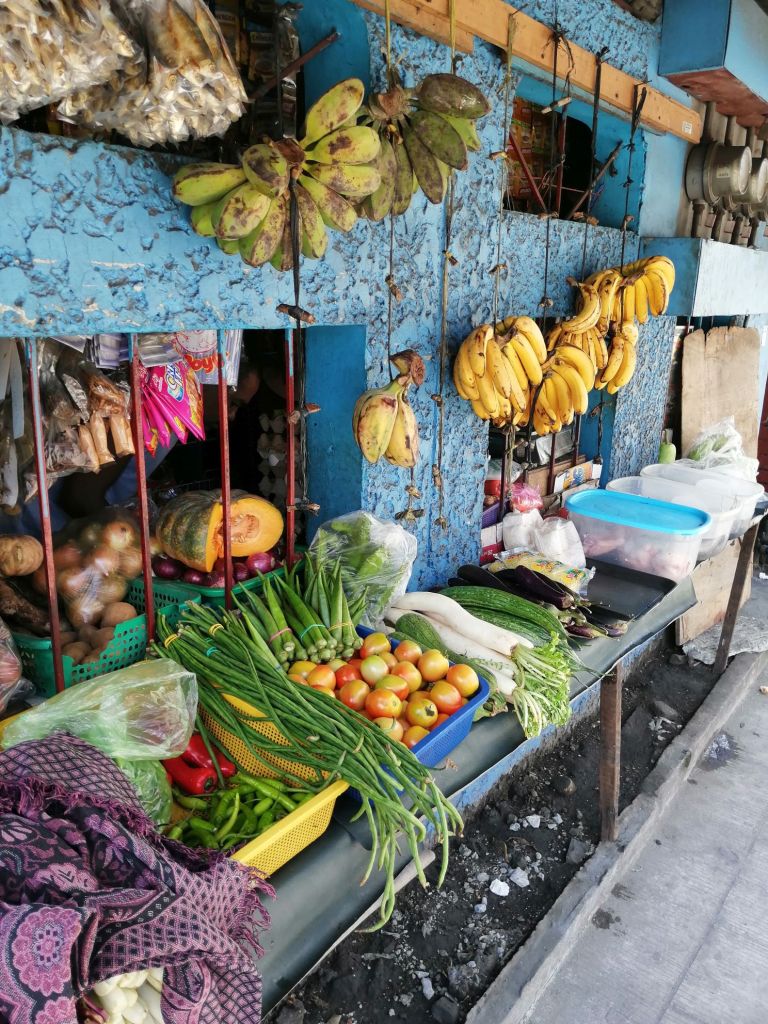
The Philippines have a huge diversity of fruits and vegetables, including beans and aubergine, okra, chilli, cabbage, many varieties of local bananas, mangoes (yellow and green), as well as more exotic things such as chayote, calamansi (a tiny lime used everywhere in food), dalandan, guava and guyabano (very tasty!) Fish is eaten fresh or dry. In terms of meat, pork is king, with chicken probably coming second, and then pretty much anything that can be eaten.
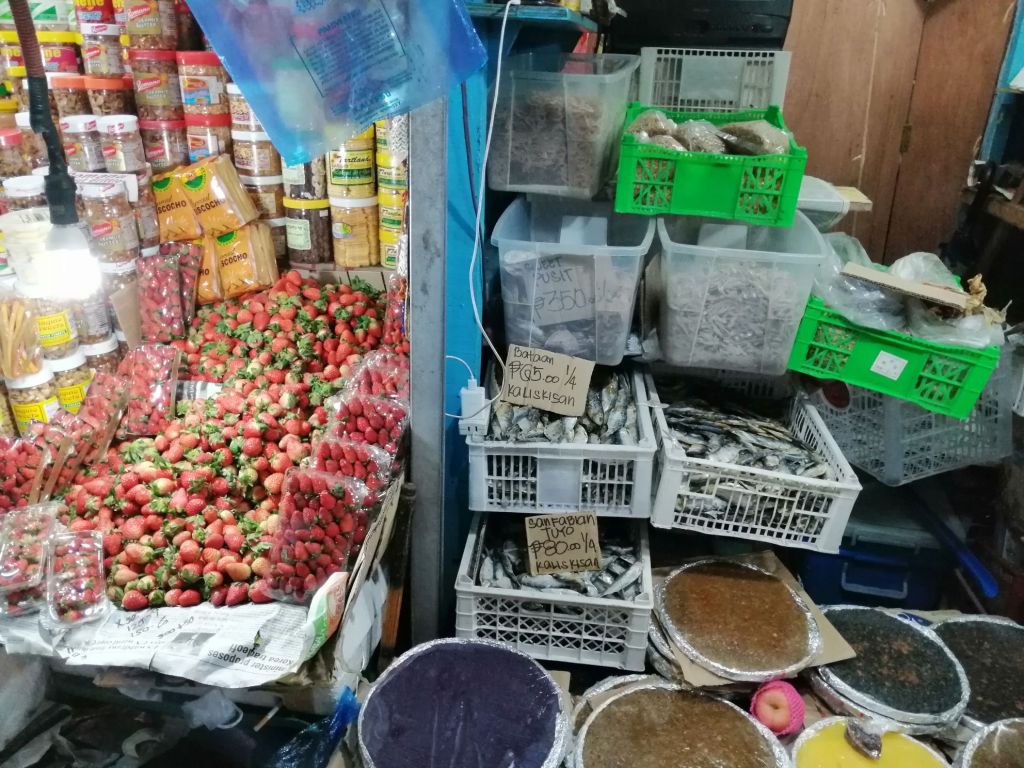
There is no waste: all bits will be accommodated in a range of ways, from the delicious traditional bulalo (bone marrow soup) to the challenging chicken head skewers. I drew the line on the latter: as far as I can tell, eating one of these involve a lot of crunching, chewing, sucking and spitting bits (as demonstrated by our driver!) which didn’t seem particularly attractive.
But back to the eateries! The three most popular, based on my experience, are:
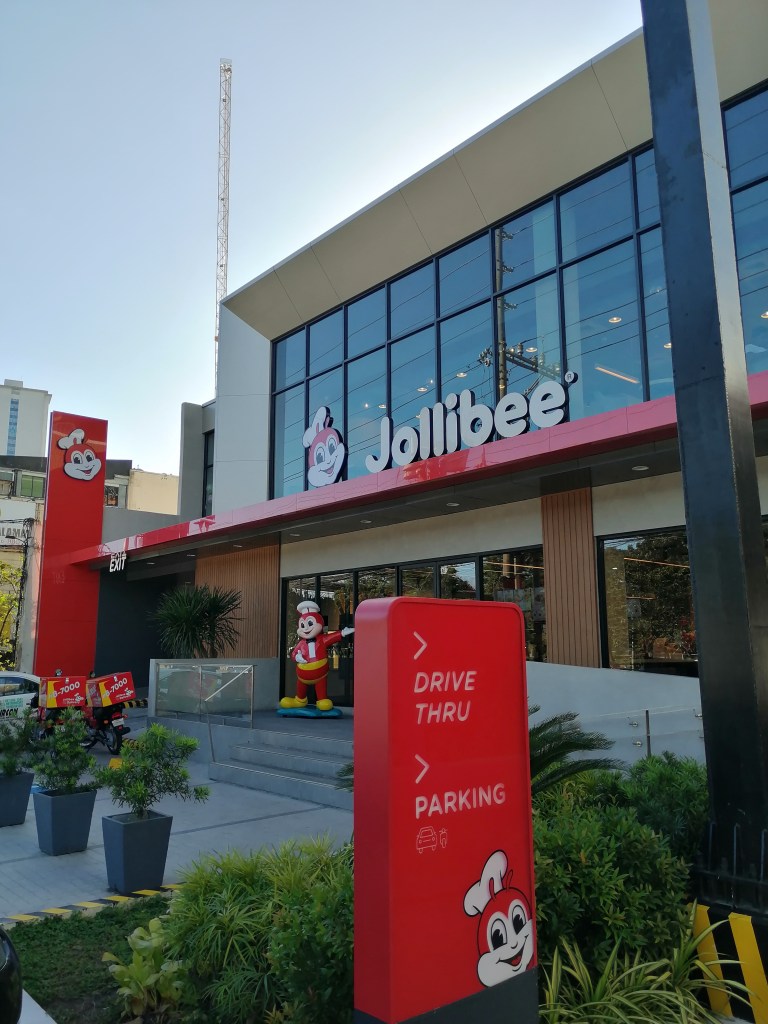
- Fast food. They are probably the fastest growing type, as the USA lifestyle is being sought after. The usual suspects are there: McDonald’s, KFC, Burger King, as well as Jollibee which is the homegrown, #1 fast food chain in the Philippines. I won’t develop on these: you will get the same thing as back home, only with rice. Oh and Jollibee will serve spaghettis Filipino style (with sweet tomato sauce).
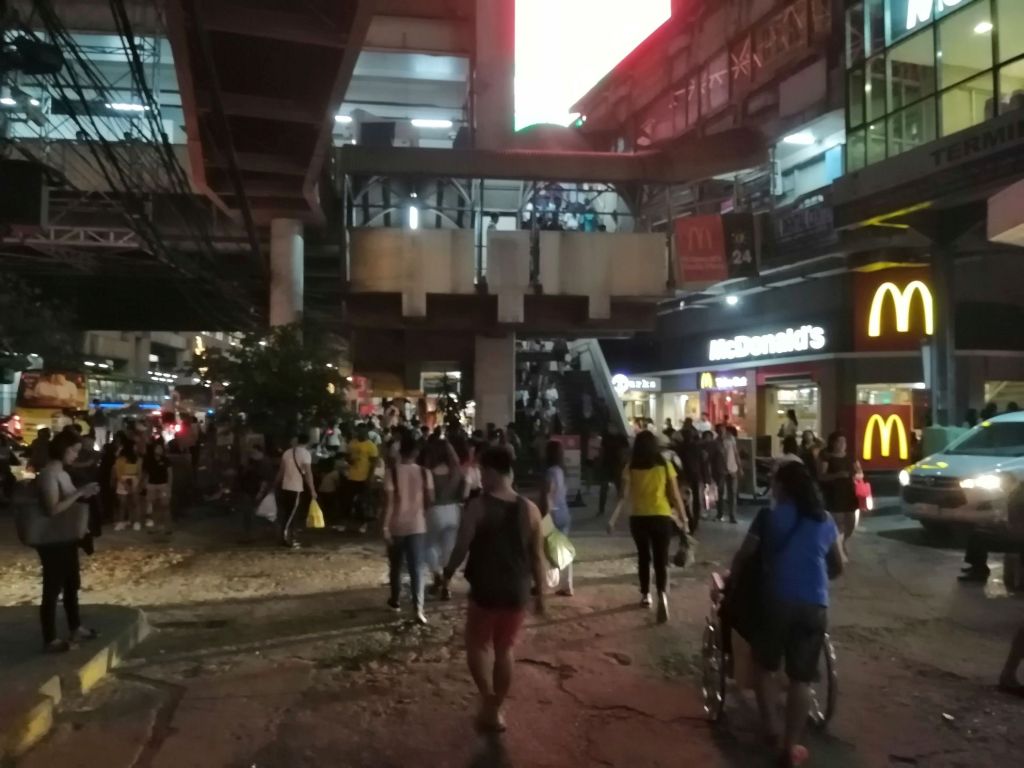



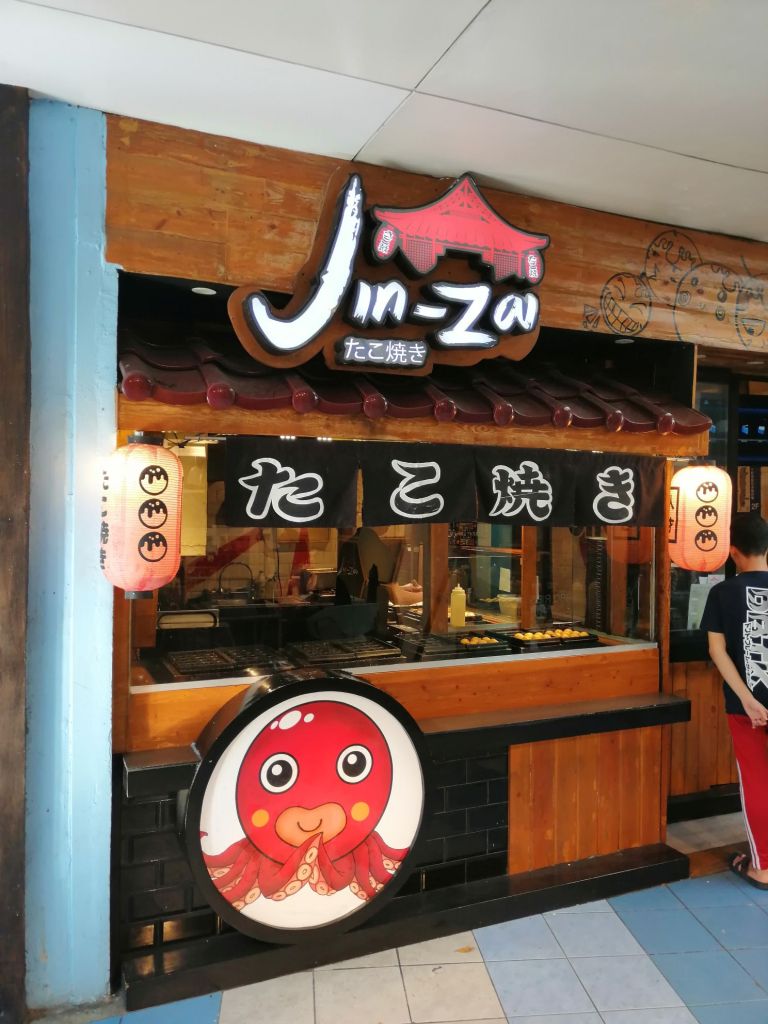
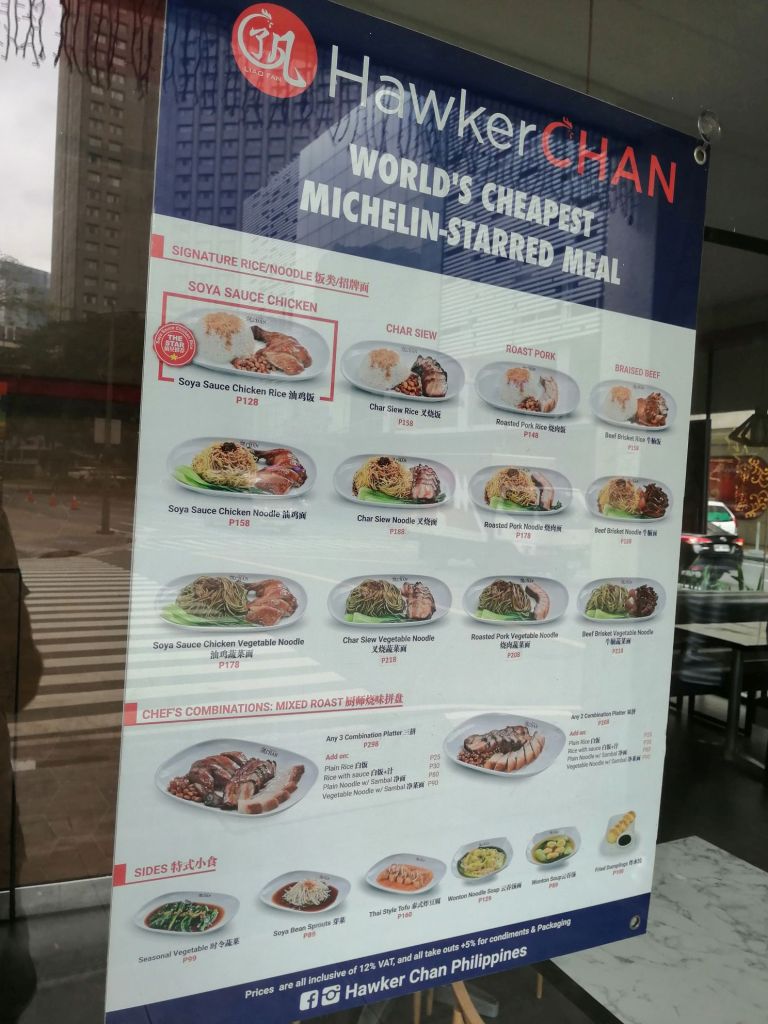
- Restaurants: there is a lot on offer, in particular in Manila. I would say the most common are Asian: Japanese, Chinese, Thai, as well as many Korean BBQ places (there is a large Korean community in the Philippines). They do love their noodles / ramen here! I haven’t seen much European or Indian, except for a few pizza and pasta places. There are of course many traditional Filipino restaurants, including those that serve the unmissable “lechon” (hog roast) which is the food of choice when people celebrate an event. Food is not too expensive: typically £2-3 for a course, which can go up to £8 in fancy restaurants. In Makati, Manila’s business district, there are a few top restaurants with mains up to £20, but that is the exception rather than the norm. There is also a restaurant claiming the world’s cheapest Michelin meal there!
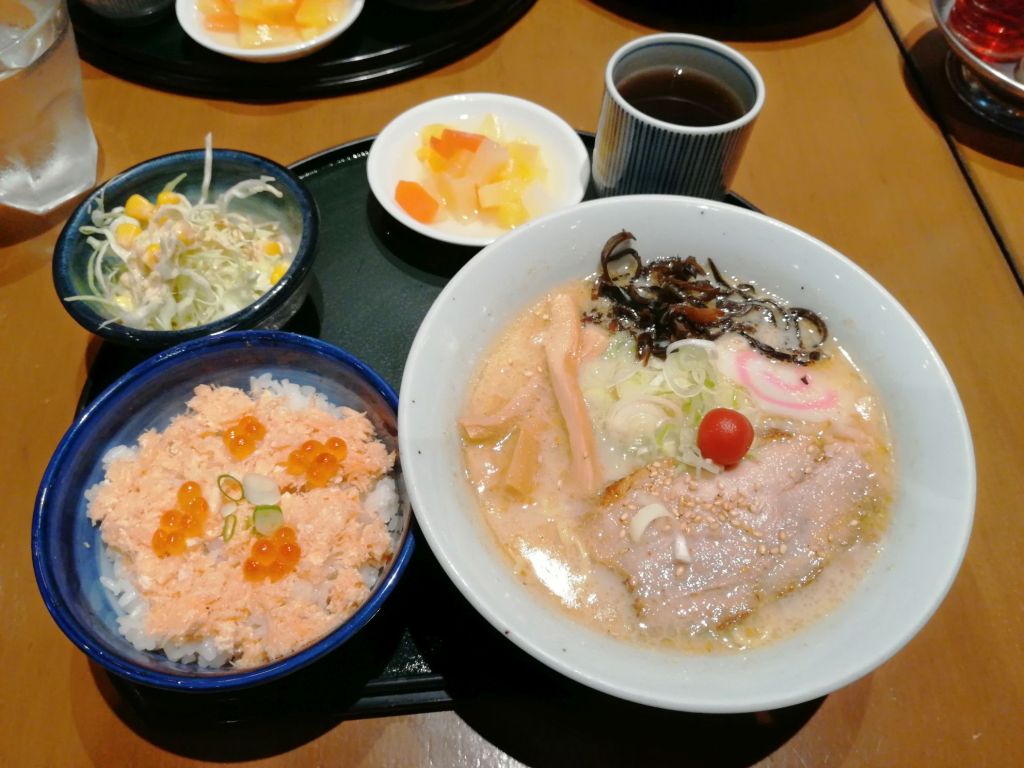
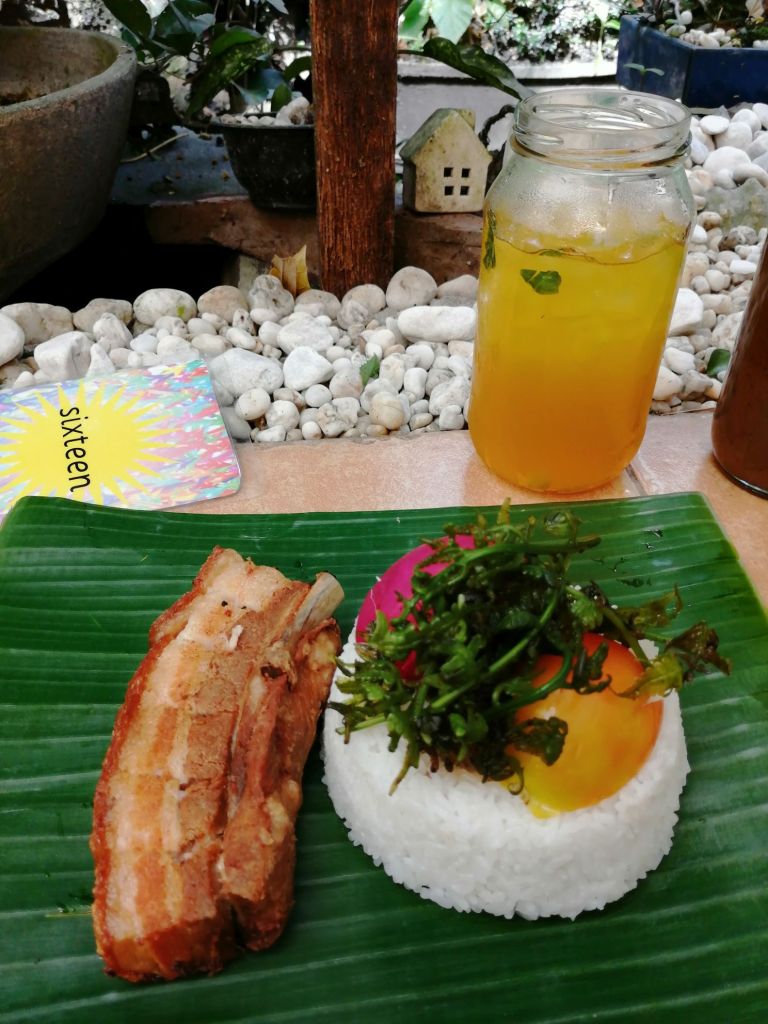
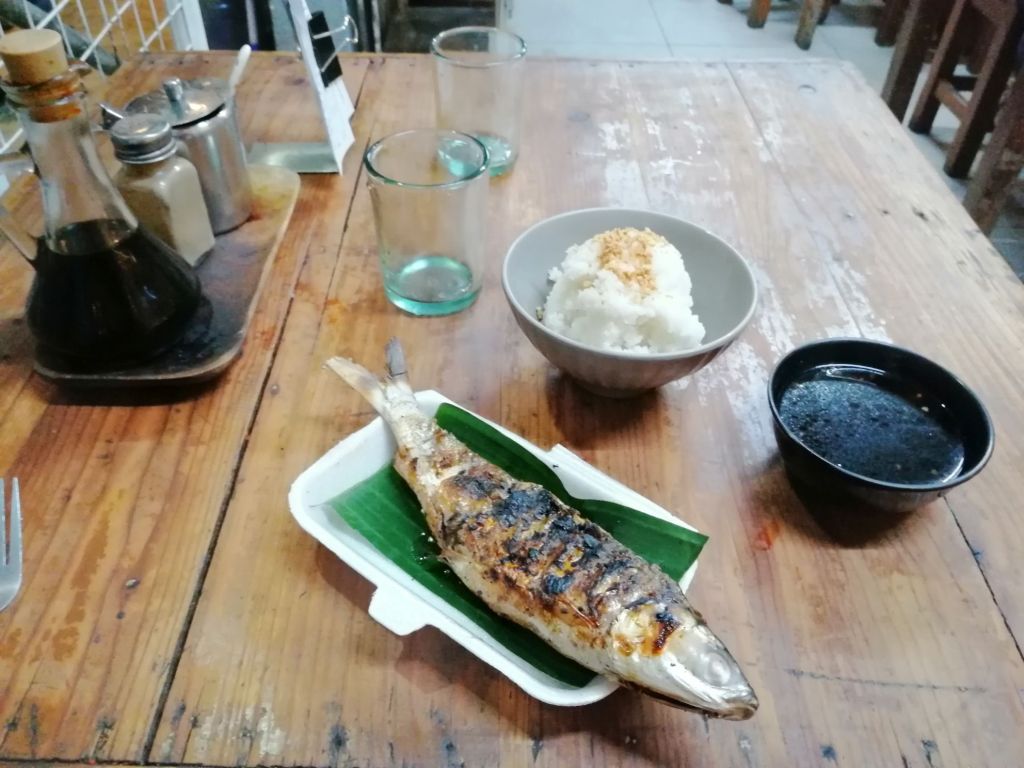
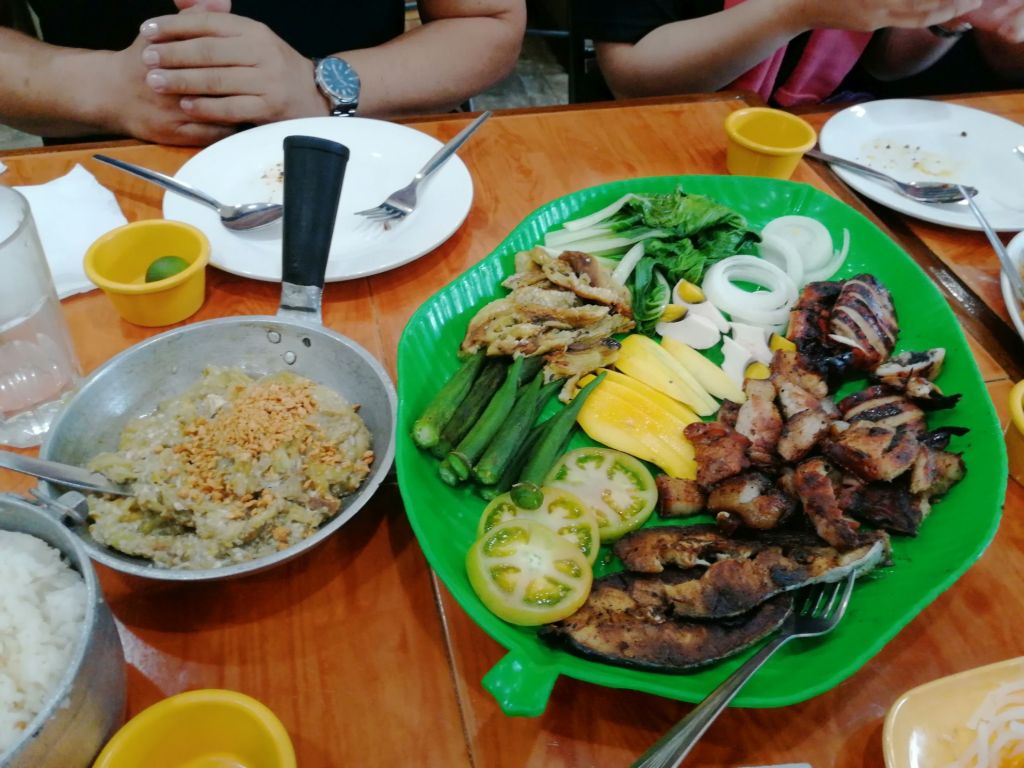
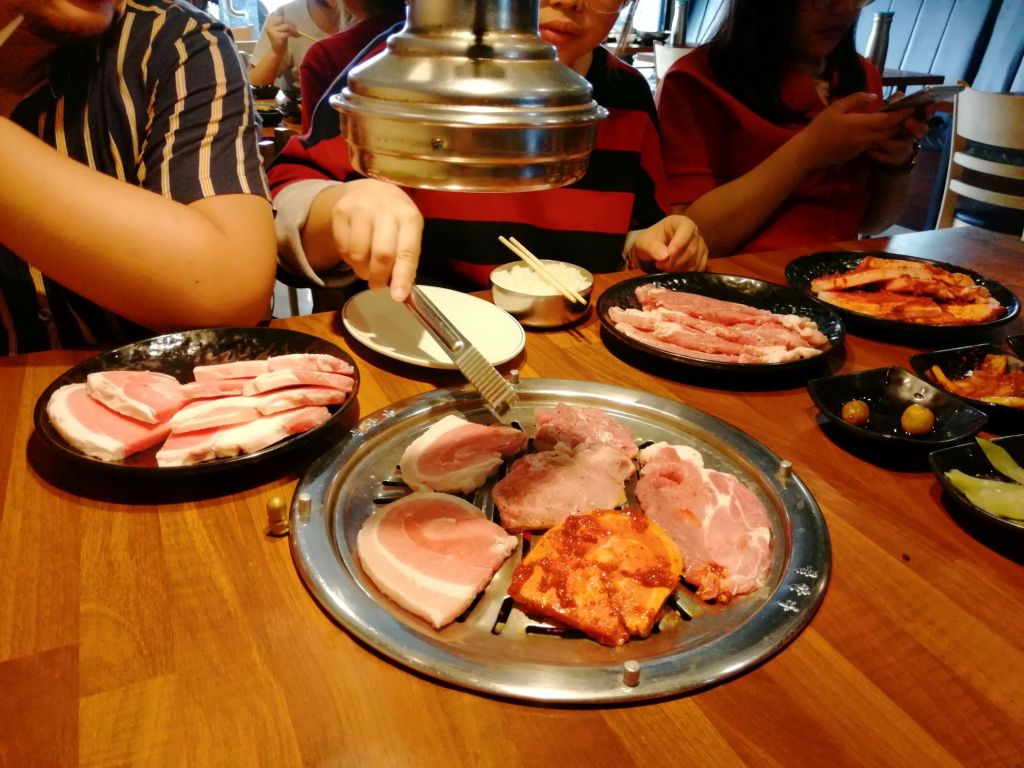
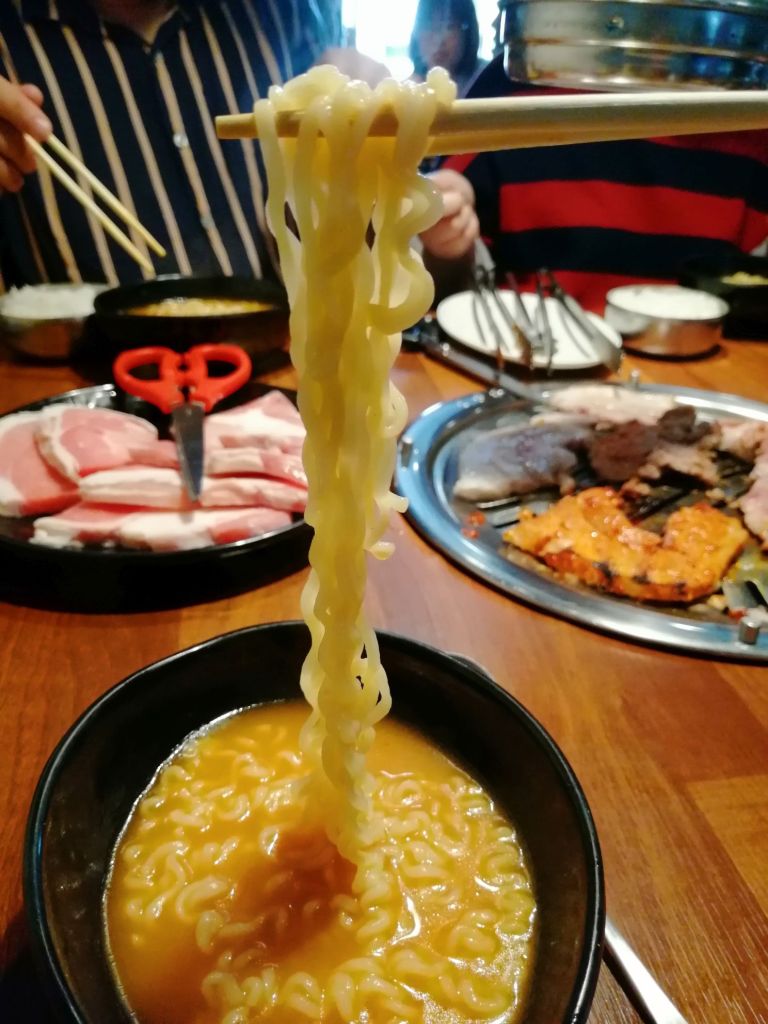
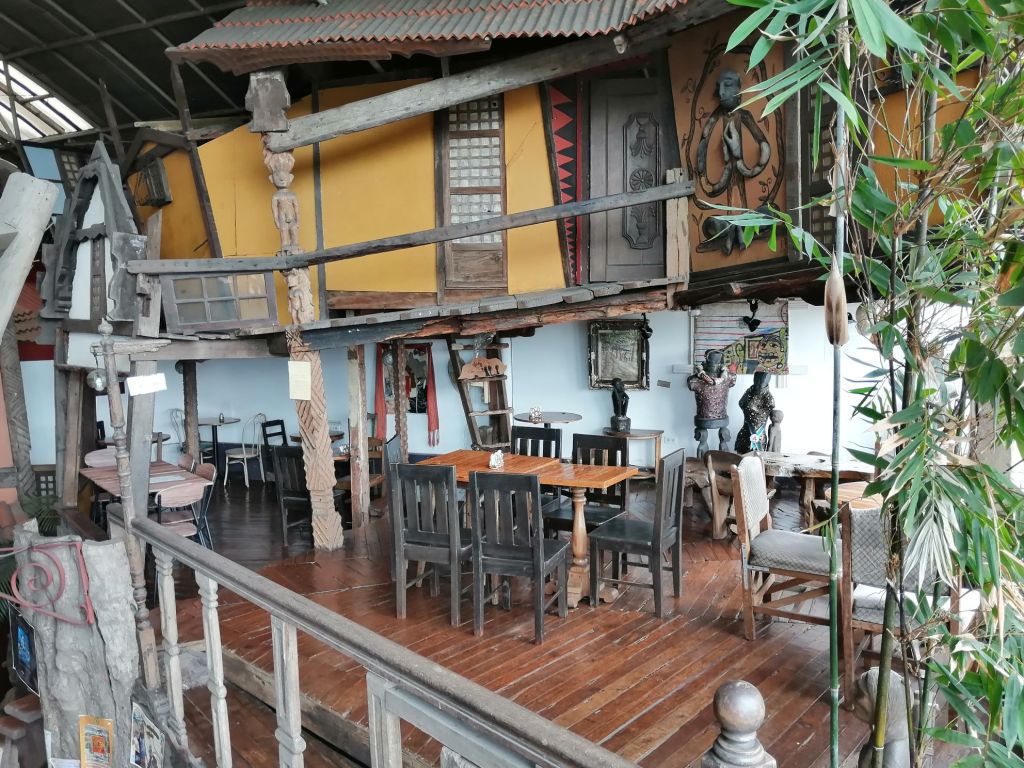
- Then, there are the turo-turos. These are probably the best places to appreciate traditional Filipino food. They are local eateries you can find everywhere, open until late: the dishes are presented in a glass cabinet or in pots, and you point at what you want (“turo” actually means “point”) before seating on a plastic chair wherever you find space. A meal is between £0.70 and £1.50, including rice. You will find things grilled, fried or cooked in sauce, including some delicious vegetable dishes (but you will be warned these are “vegetable only”). Many dishes are slow cooked; some of my best food experiences have been in turo-turos. Some of my worst too, I must admit: there was a meal once, I have no idea what it was, and I honestly don’t want to know. But I’d say 9 out of 10 have been worth it! Tonight, I tried “sisig” which I have seen advertised in many places: clearly a traditional dish. It was tasty but the consistency was intriguing. I have just discovered it is grilled bits of pig’s jowl (I am pretty sure the cartilaginous bits were slices of ears).
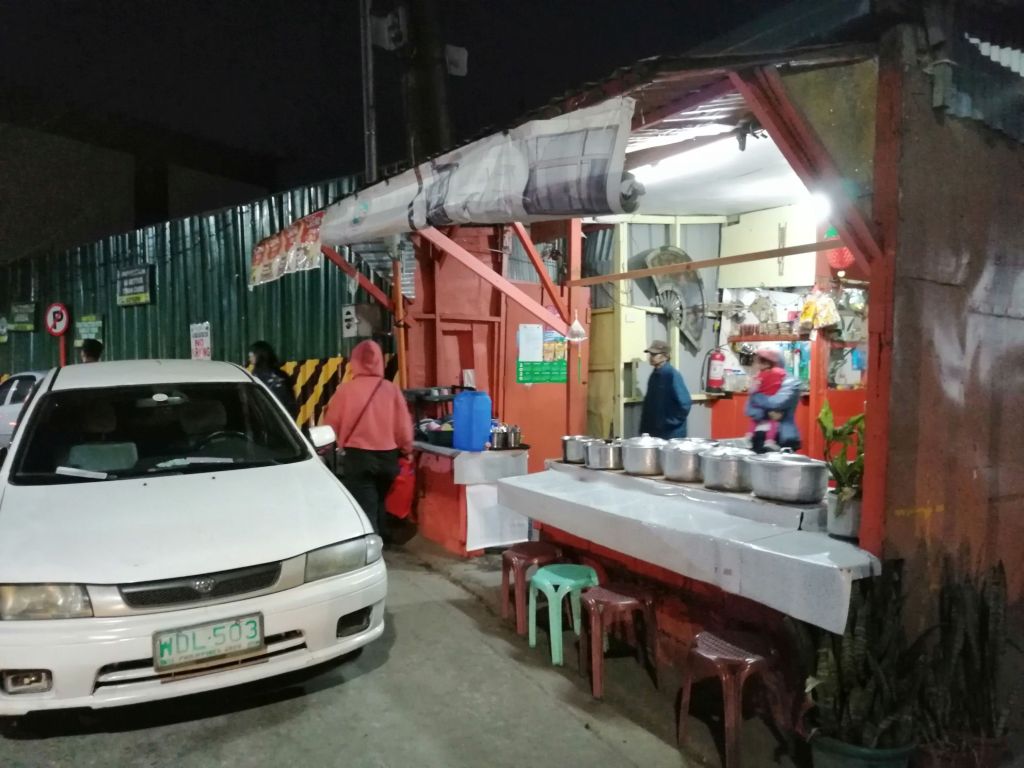
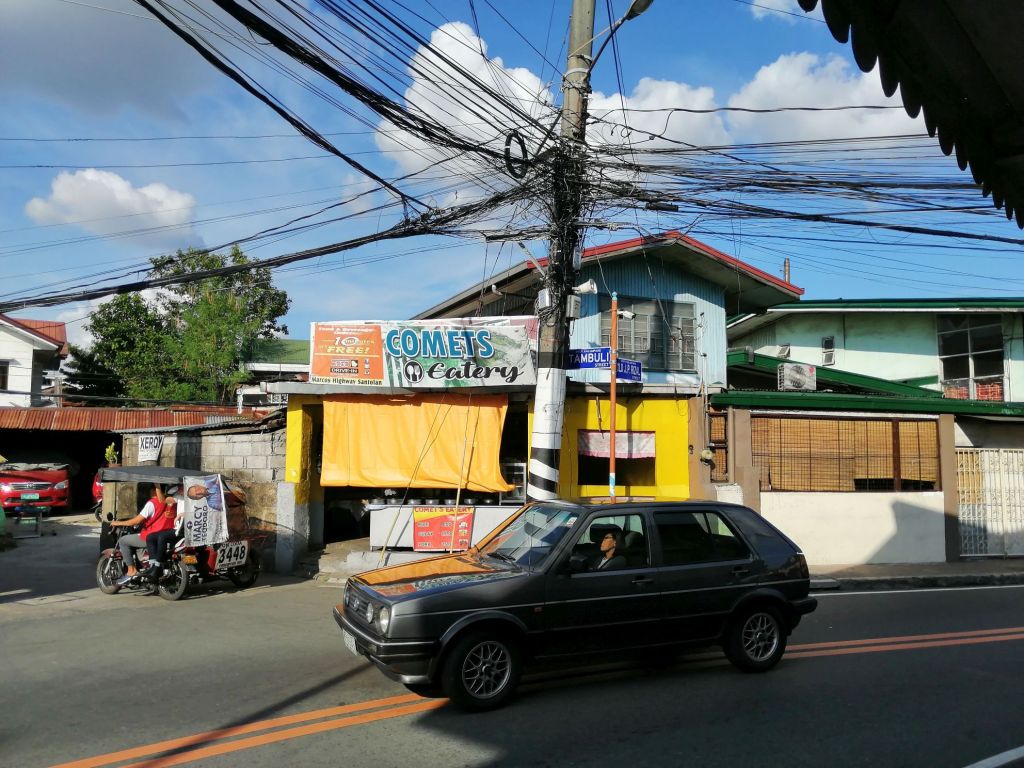
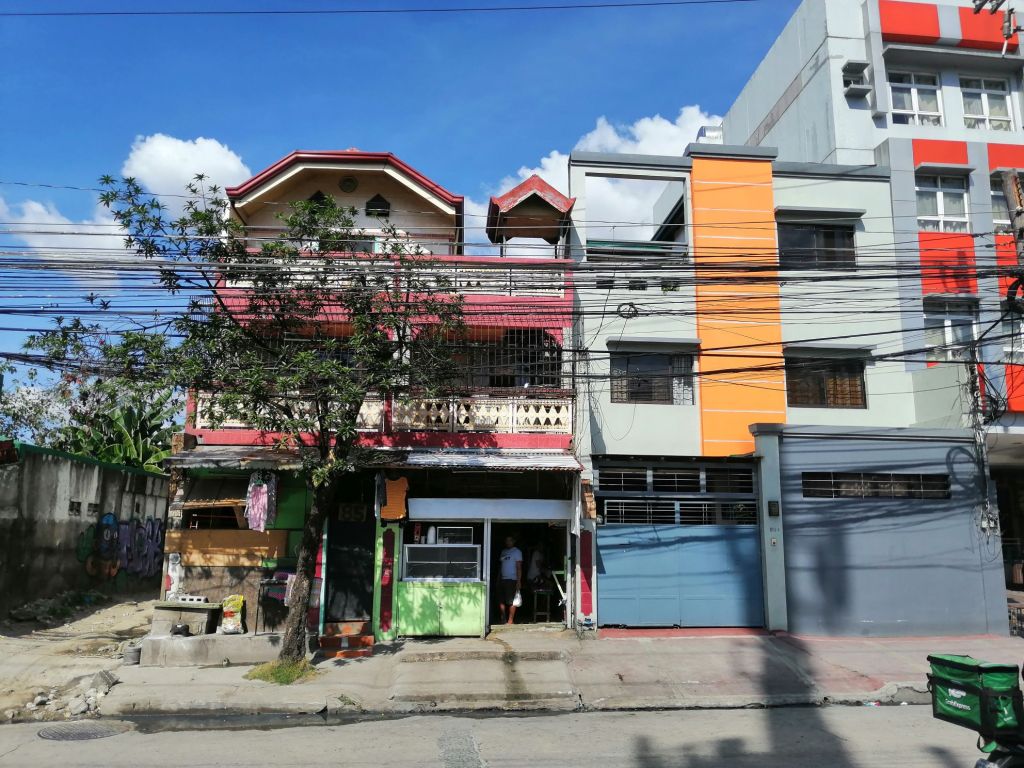

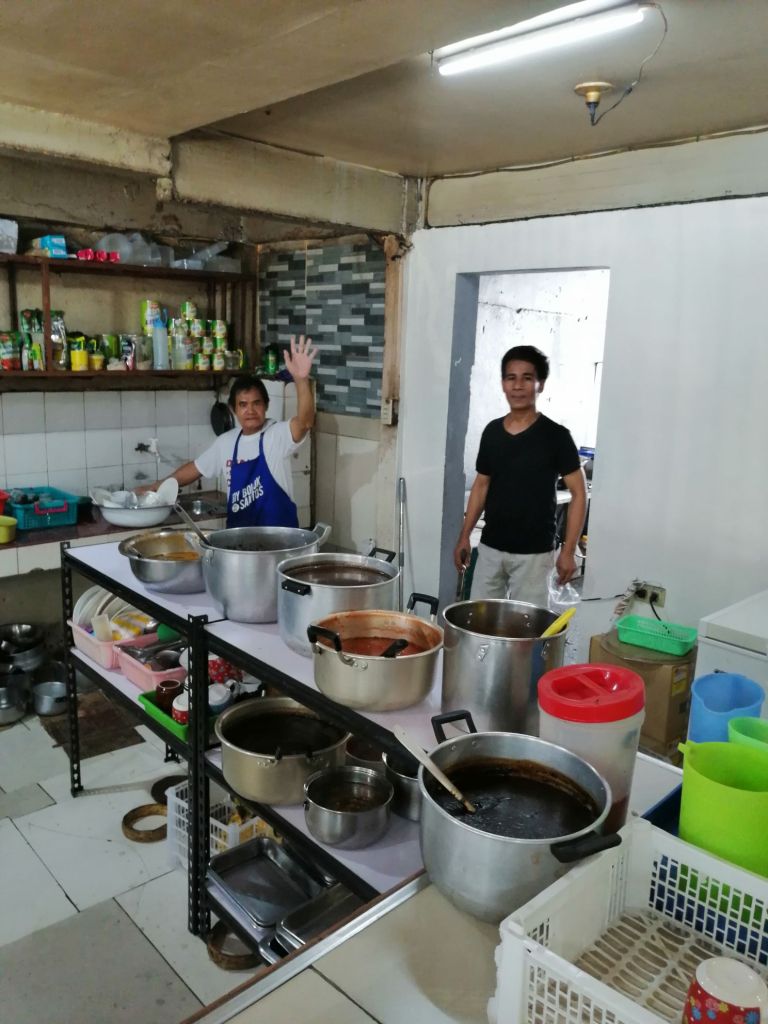
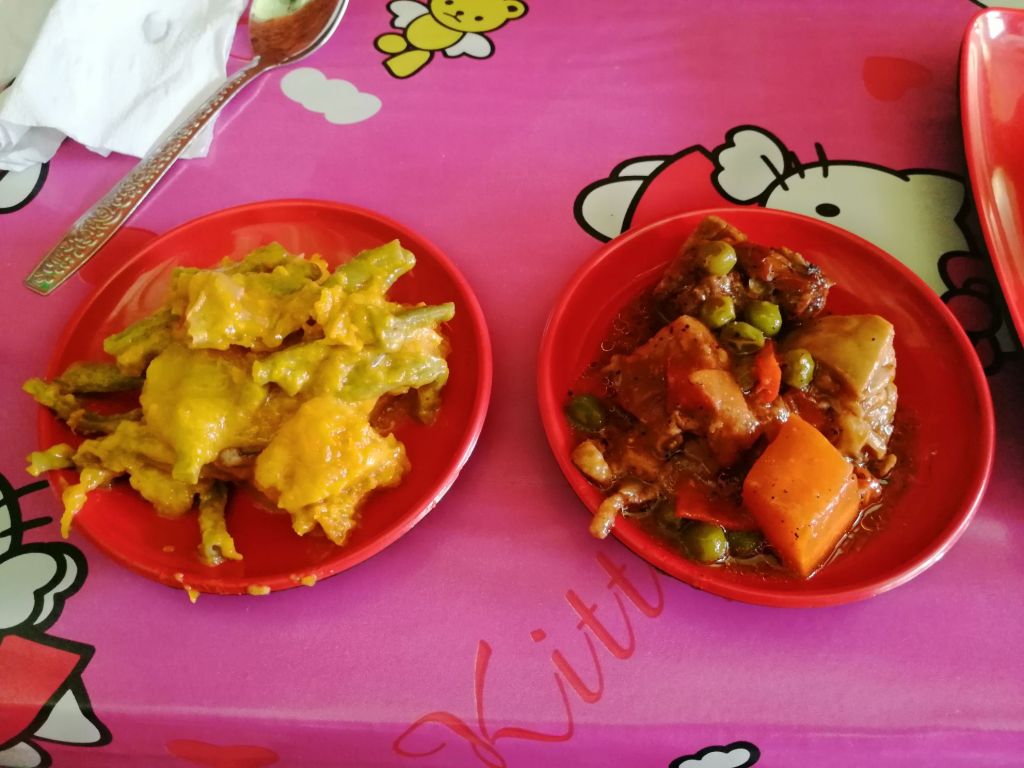
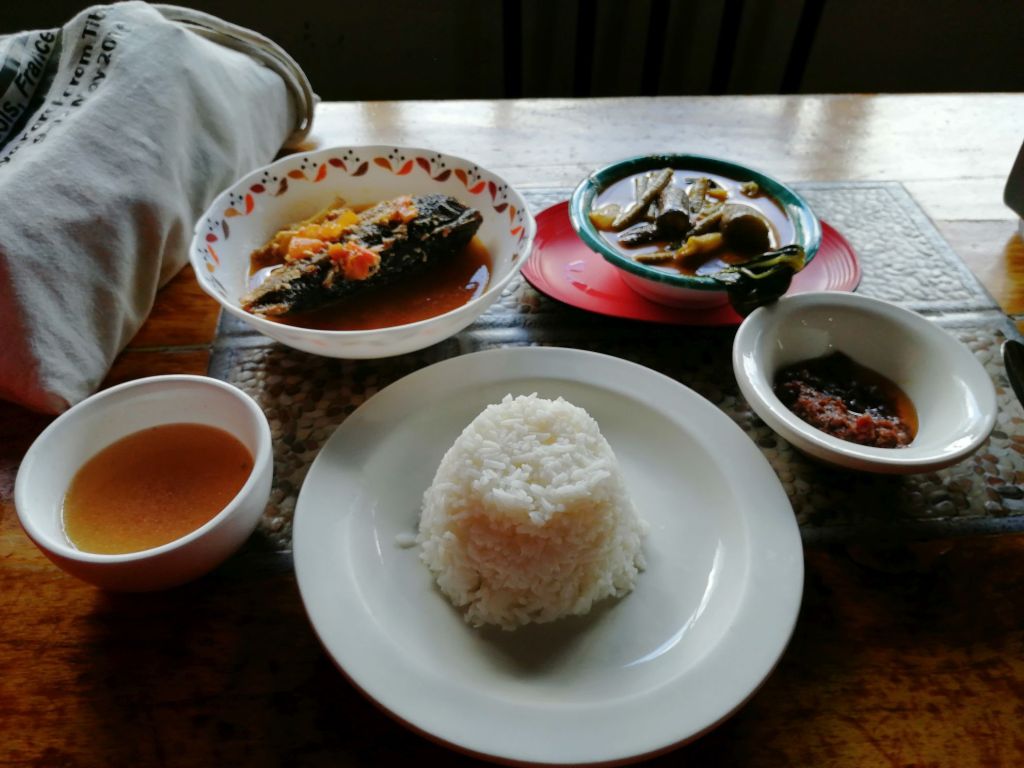

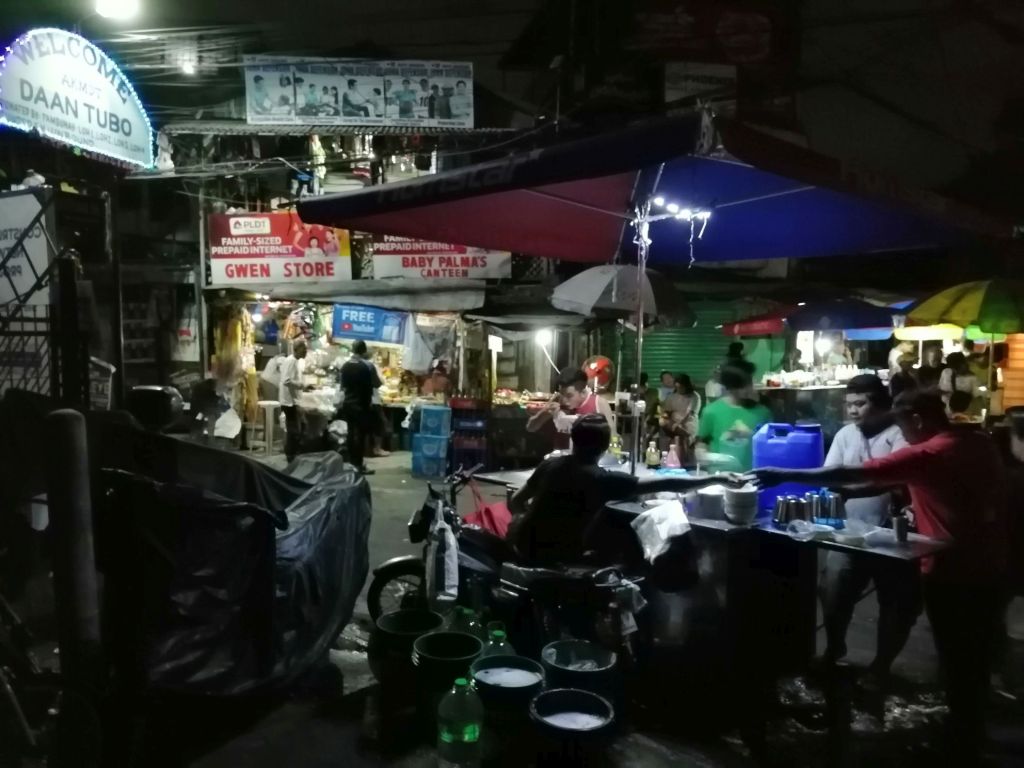
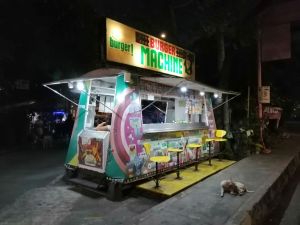
There is also a lot of street food, including street BBQ and street frying stands, but I haven’t been courageous enough to try the latter on my own. Food is available everywhere at any time, because Filipinos do love to eat all the time. Three meals a day does not apply here!
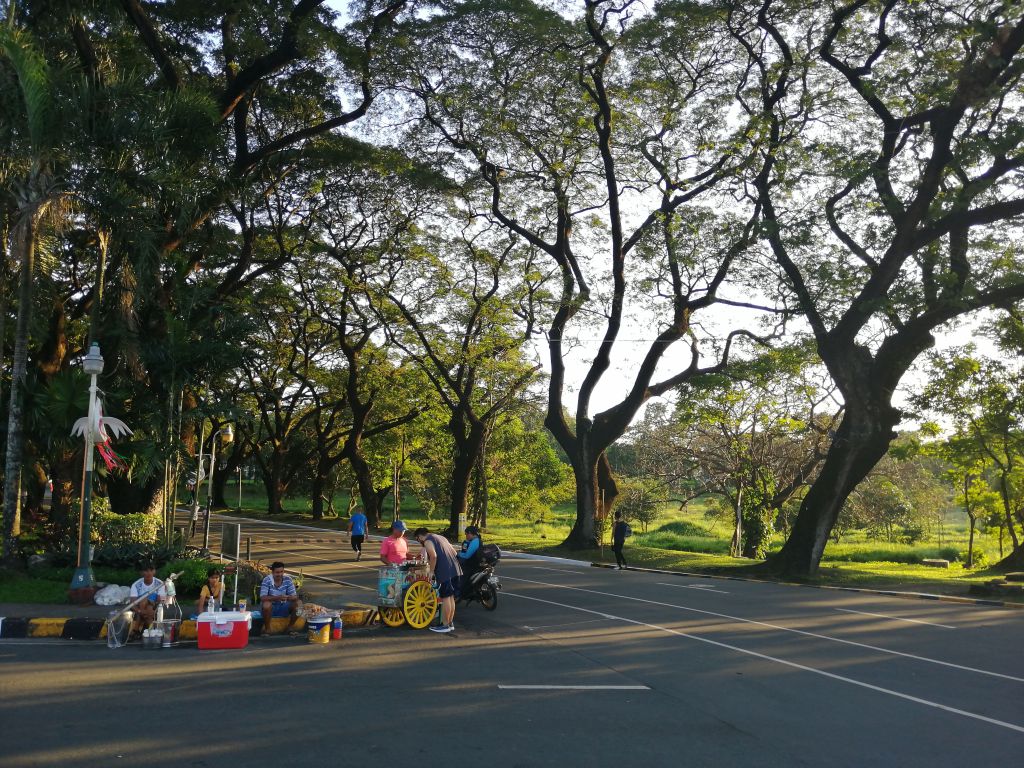
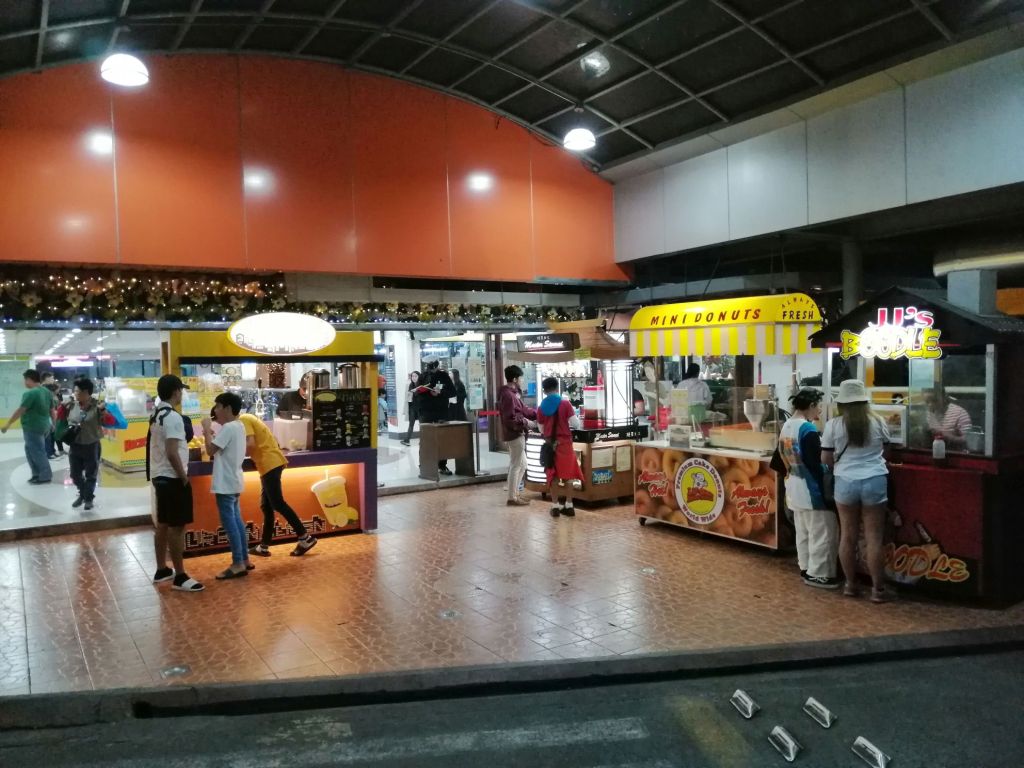
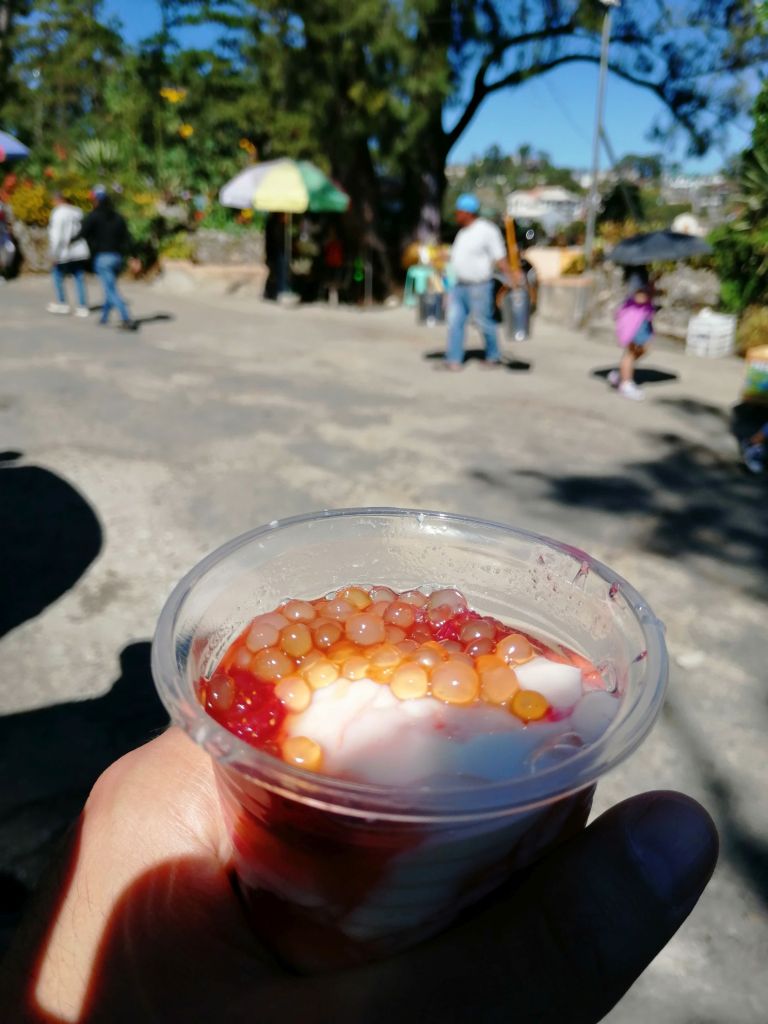
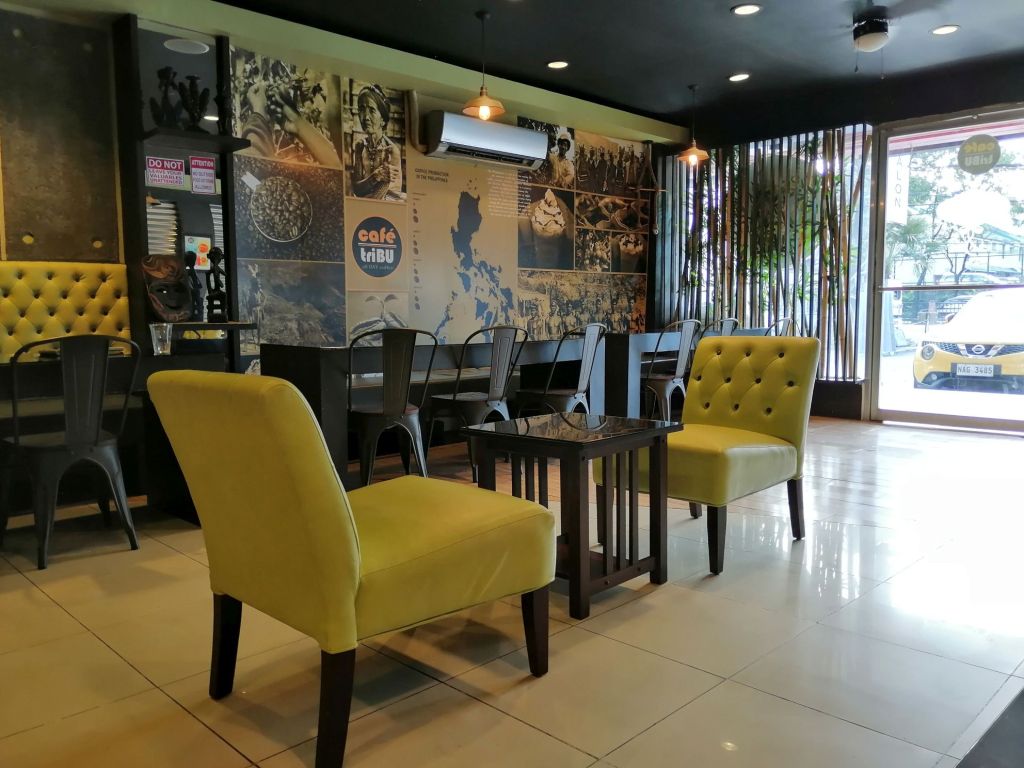
A final outlet of choice: the café of course! The Philippines produce coffee, and their baristas are well trained: excellent coffee is readily available, usually served with cake. For those seeking something more refreshing, iced coffee or pearl milk tea are popular choices.
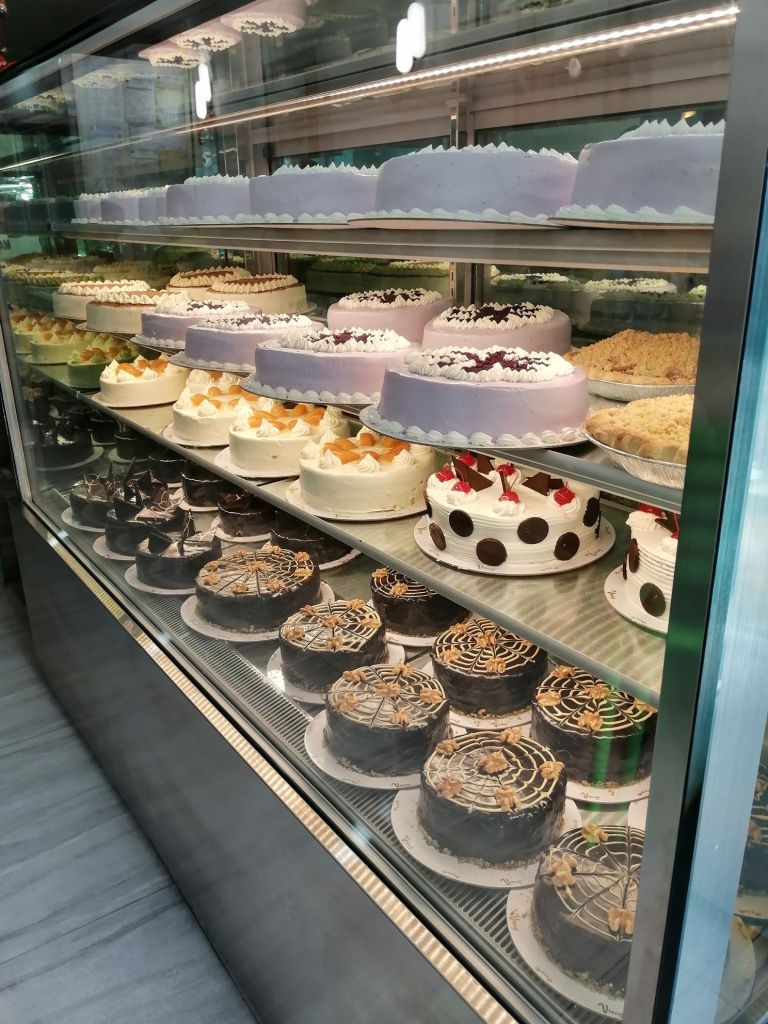
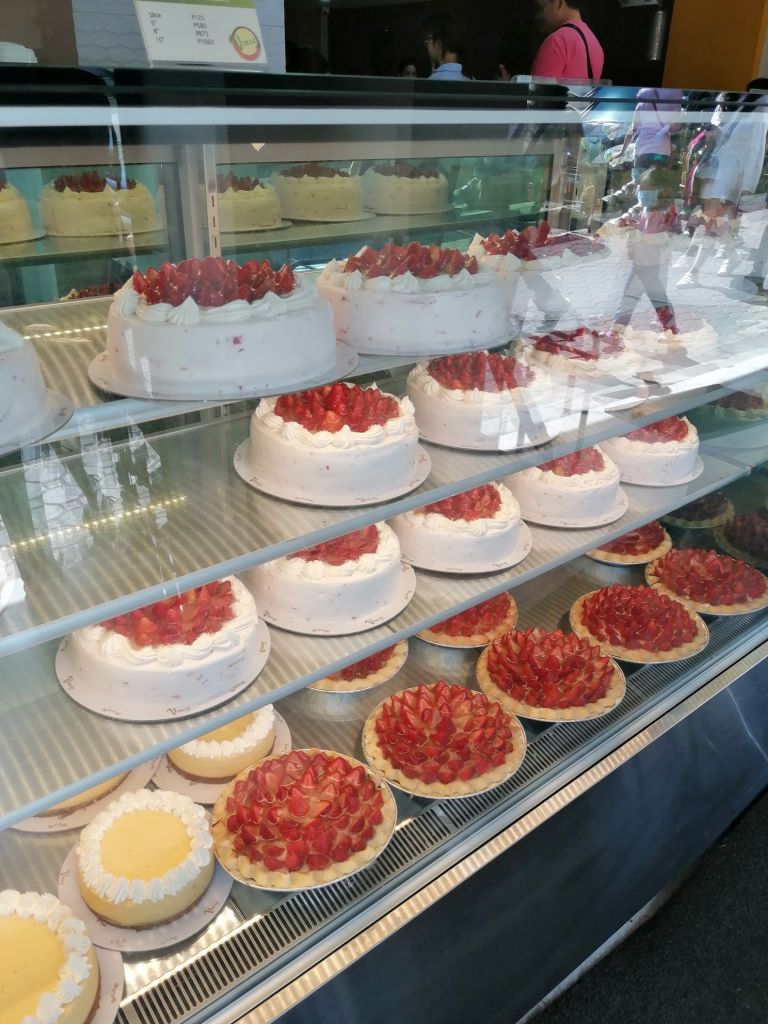
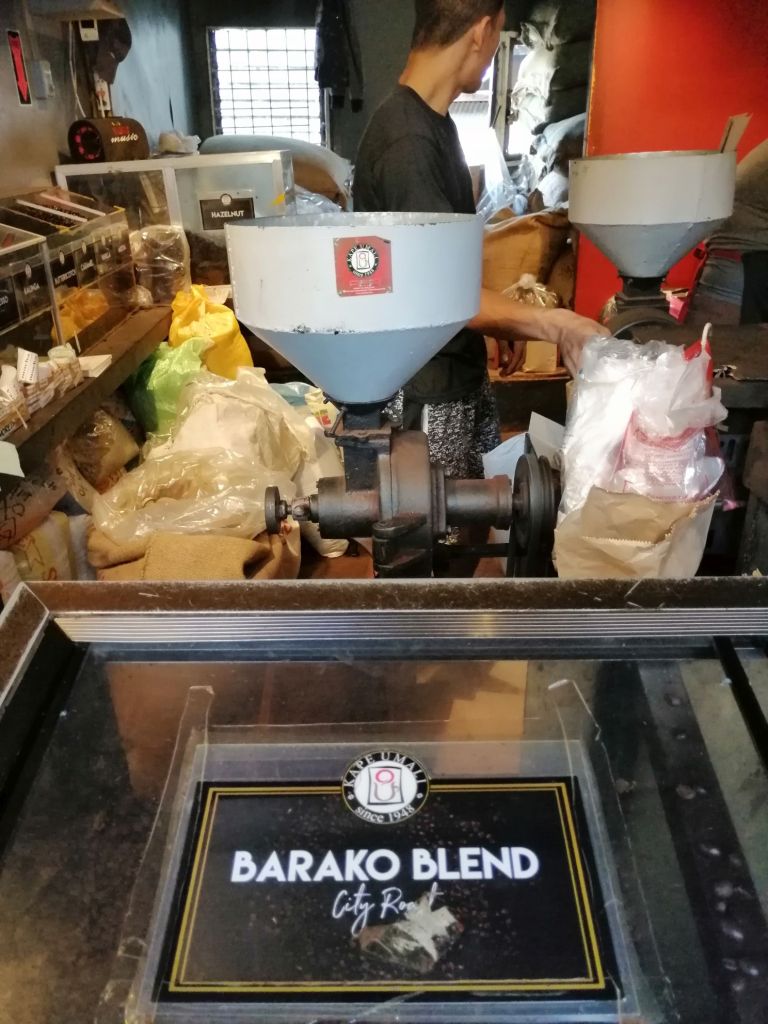
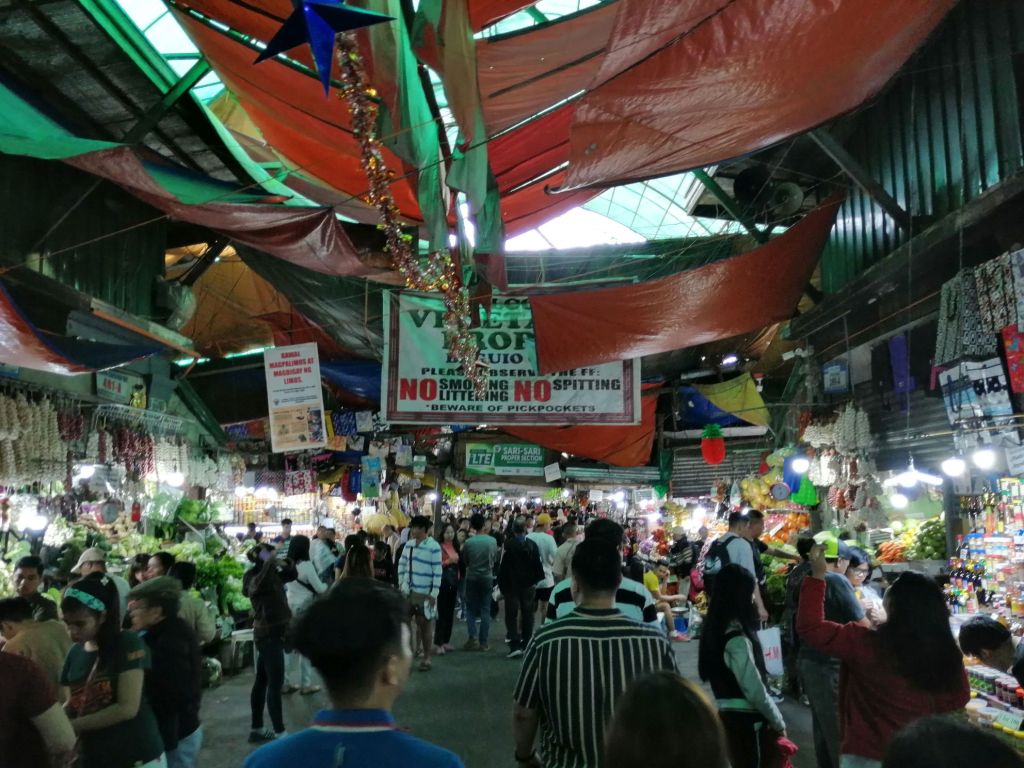
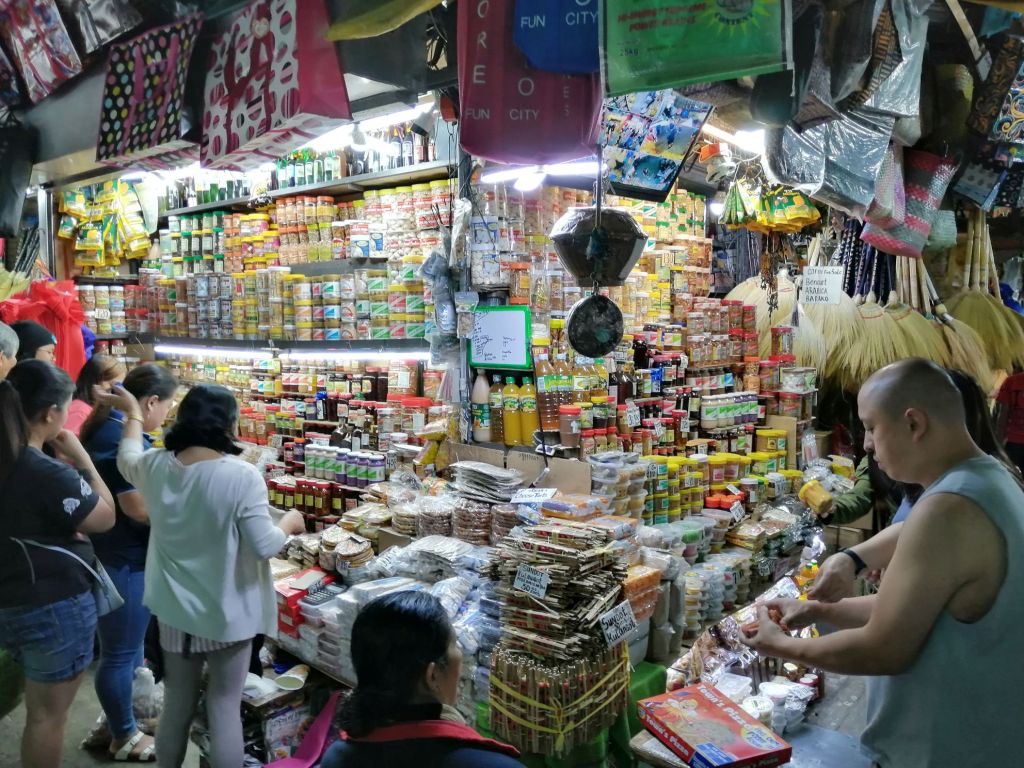
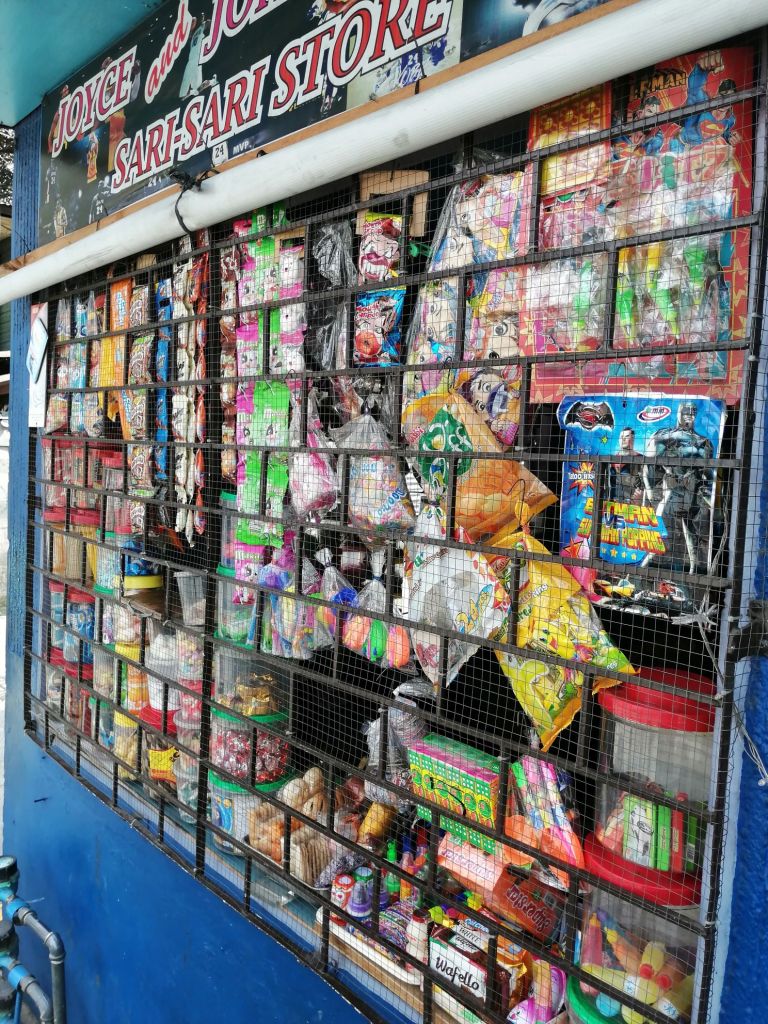
If you want to do your own cooking, there are markets and a range of supermarkets, from the ubiquitous convenience store to the giant mall’s supermarket.
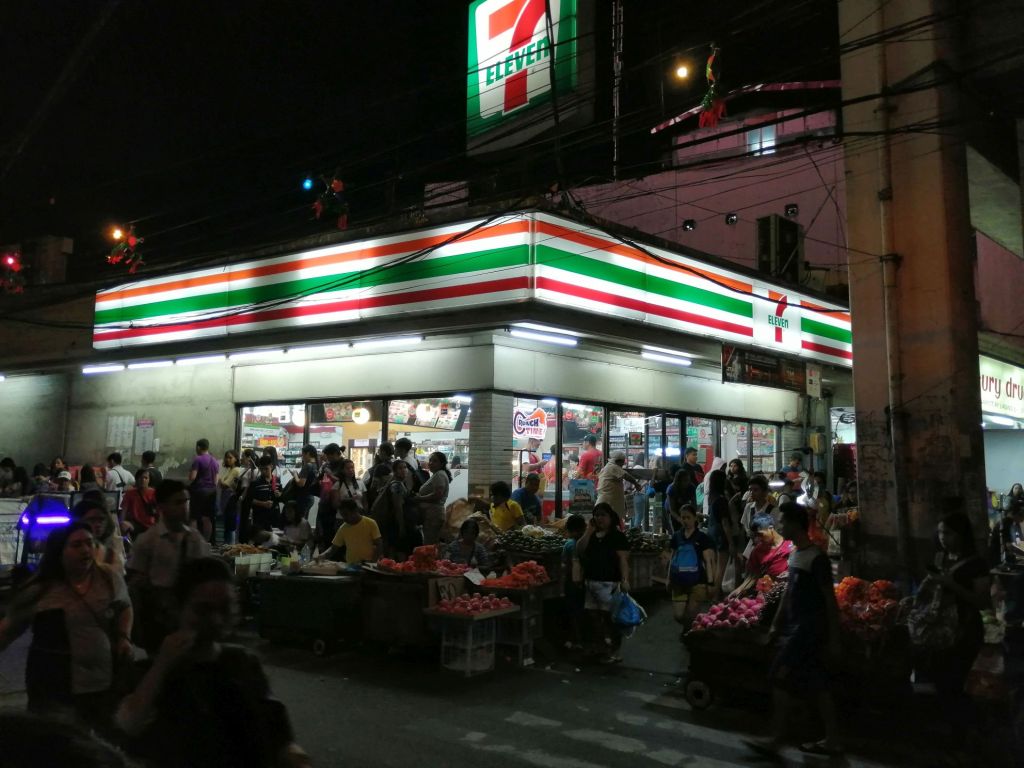

Asked what I missed the most? Cheese, without hesitation! Not much cheese on offer in the Philippines. Also, they don’t really do sandwiches here, but again this is something you can get used to considering the many alternatives that exist. You can have an ice cream sandwich though: one or two scoops? On a cone or in a roll?
I haven’t spent long enough in the country to become an expert, and I certainly don’t remember the name of all the dishes I have tried (and neither did I photograph every single one!) Hopefully, this excites your palate and make you want to know more about this overlooked cuisine. Bon appetit!
 Travels Through Geomorphology
This is such an informative and well-written guide to Filipino cuisine! I love how you’ve highlighted not just the flavors but also the cultural significance behind dishes like Lechon and Sinigang. As someone exploring Filipino food, this article is both inspiring and incredibly helpful.
LikeLike
Thank you very much for your kind words! I have re-read it (I wrote it a while ago) and it brought back so many good memories.
LikeLike